
How to Know If My Cat Is Sad

It’s not always easy to tell how a cat is feeling. Unlike dogs, who often show their emotions through wagging tails or excited barks, cats are more quiet and reserved. When a cat feels sad, the signs can be small, like hiding more than usual, sleeping too much, or losing interest in play. These changes are easy to miss, especially if they happen slowly.
Knowing if your cat is sad means paying close attention to their behavior and daily habits. Sadness in cats can be caused by things like boredom, changes in the home, or health problems. The good news is that once you understand what to look for, you can make changes to help your cat feel better. That might include spending more time with them, adding toys or climbing spaces, or giving them safe access to the outdoors in a way that supports their natural curiosity.
Key Takeaways: How to Know If My Cat Is Sad
- Cats show sadness in subtle ways. Unlike dogs, cats often express emotional discomfort through small changes in behavior, like hiding, sleeping more, or eating less.
- Emotional health is deeply connected to physical health. Prolonged sadness can lead to stress-related illnesses, appetite changes, or grooming issues.
- Common causes of feline sadness include boredom, loss of a companion, routine disruptions, restricted indoor living, and undiagnosed medical conditions.
- Behavioral signs to watch for: withdrawal, appetite or sleep changes, reduced playfulness, increased or decreased vocalization, and grooming changes.
- Environmental enrichment is essential. A stimulating, safe, and predictable environment helps cats feel secure and emotionally balanced.
- Outdoor access—when safe—can boost mood. Catios provide fresh air, natural stimulation, and new territory, all of which can reduce sadness and support mental well-being.
- Not all signs mean sadness. Always consult a vet to rule out medical issues before assuming behavioral changes are emotional.
Why Understanding Feline Emotions Matters
Cats may be independent, but that doesn’t mean they don’t have deep feelings. In fact, cats are very sensitive to changes in their environment, routine, and relationships. When something feels “off,” they often respond in quiet ways, through behavior, body language, or changes in health. Understanding a cat’s emotional needs is just as important as meeting their physical ones.
When a cat feels sad for a long time, it can lead to bigger problems. Some cats start to hide more, stop eating, or lose interest in things they used to enjoy. Others may become more aggressive or anxious. Sadness and stress can even weaken a cat’s immune system, making them more likely to get sick.
Tuning into your cat’s emotions helps you notice when something isn’t right—before it becomes a bigger issue. It also builds a stronger bond. When a cat feels safe, seen, and cared for, they’re more likely to be playful, relaxed, and affectionate. Understanding how your cat feels isn’t just about avoiding problems, it’s about helping them live a happier, healthier life.
What Causes Sadness in Cats?
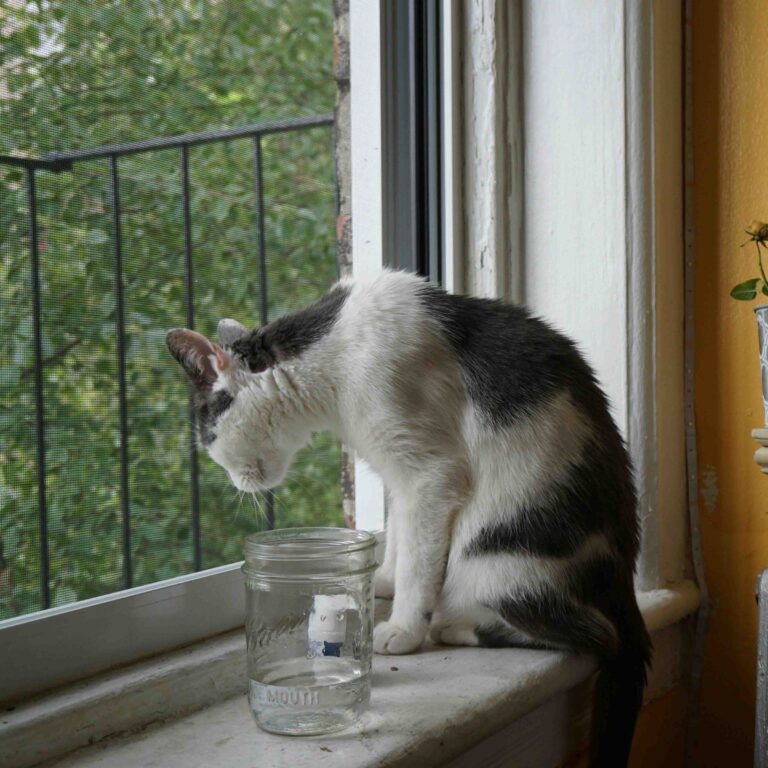
Cats can feel sad for many reasons, and the cause isn’t always obvious. While some triggers are emotional, others are physical or environmental. Understanding what might be making your cat unhappy is the first step toward helping them feel better. Here are some common causes of sadness in cats:
- Loss of a Companion (Human or Pet): Cats are capable of forming deep attachments. When a bonded pet or family member passes away or leaves the home, your cat may experience a grieving period. Signs can include withdrawal, sleeping more than usual, or lingering in places that smell like the person or pet they lost.
- Boredom or Lack of Enrichment: A cat who doesn’t have enough mental or physical stimulation can quickly become listless or depressed. If their days are predictable, with little opportunity to explore, hunt, or play, they may start showing signs of emotional withdrawal, especially if they’re home alone for long hours.
- Restricted Indoor Living: While keeping cats indoors protects them from dangers like traffic and predators, it can also limit their ability to express natural behaviors. Cats are hardwired to climb, explore, stalk, sunbathe, and observe the world. Without safe access to these experiences, they can become frustrated, anxious, or emotionally flat.
- Disruptions in Routine: Cats are creatures of habit. Changes like moving to a new home, a shift in your work schedule, loud renovations, or the introduction of a new pet can create confusion and insecurity. Even seemingly minor changes—like rearranged furniture or different feeding times—can unsettle a sensitive cat.
- Health Conditions: Physical discomfort is often mistaken for mood changes. Illnesses such as dental disease, arthritis, or thyroid imbalances can cause lethargy, irritability, or a lack of interest in grooming or play. These symptoms may look like sadness but are really a call for medical attention.
While some of these triggers—like loss or illness—can’t always be prevented, many emotional stressors can be eased through thoughtful environmental enrichment. Creating a space where your cat can safely explore, observe nature, and engage with the world, like a custom-built catio, can help restore emotional balance and bring joy back into their daily life.
Signs Your Cat Might Be Feeling Sad
If you’ve ever wondered how to know if your cat is sad, the answer often lies in subtle changes to their behavior. Cats don’t express emotions the same way humans, or even dogs, do. Instead, they may show signs of sadness through quiet shifts in their daily habits, energy levels, and routines. Here are some of the most common emotional and physical changes to watch for:
- Withdrawal or Hiding: Cats that are usually social may begin isolating themselves, spending more time under beds, in closets, or other secluded spots. Avoiding interaction, even with their favorite humans, is often a signal of emotional distress.
- Changes in Appetite: A cat who suddenly eats less, or, in some cases, more than usual, could be experiencing emotional changes. Loss of appetite is more common and may lead to weight loss, while overeating can stem from stress or boredom.
- Sleep Pattern Changes: While cats naturally sleep a lot, sadness can cause them to sleep even more or become restless. You might also notice them sleeping in unfamiliar or unusual spots, often ones that feel more protected or hidden.
- Reduced Playfulness or Curiosity: If your cat has stopped playing, showing interest in toys, or engaging with their surroundings (like watching birds out the window), it could be a sign they’re emotionally disengaged or depressed.
- Vocalizations or Sudden Silence: Some cats vocalize more when they’re anxious or upset, meowing, yowling, or crying for attention, while others may go quiet, especially if they’re usually quite talkative. Any change in their normal vocal behavior can be meaningful.
- Grooming Changes: Overgrooming (licking to the point of fur loss) or under-grooming (resulting in a dull, greasy, or matted coat) can both signal emotional imbalance. These behaviors may stem from stress, anxiety, or low energy.
Remember, not all cats will display every sign, and these behaviors can sometimes signal an underlying medical issue. If you notice several changes occurring at once, it’s wise to consult your veterinarian. In many cases, restoring your cat’s sense of joy starts with improving their daily environment, something we’ll explore in the next section on feline enrichment.
How Environmental Enrichment Can Improve Your Cat’s Mood
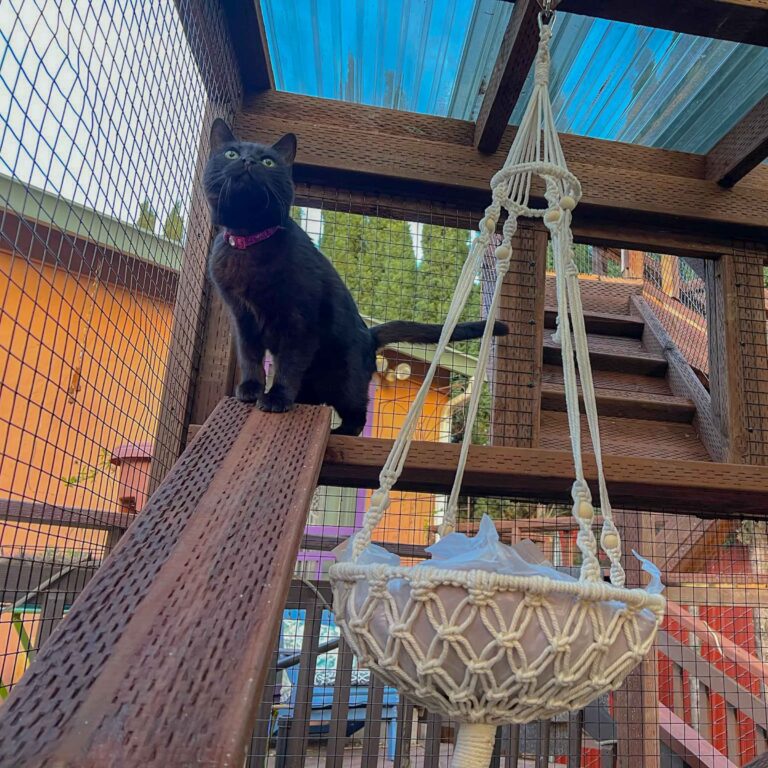
When it comes to feline wellness, emotional health is just as vital as physical health, and much of it starts with the environment we create for our cats. Indoor living protects them from outdoor dangers, but it can also limit their ability to express natural behaviors. Without proper stimulation, even the most loved and well-cared-for cats can experience boredom, frustration, and emotional stagnation.
This is where environmental enrichment becomes essential. Enrichment means providing a variety of experiences, spaces, and stimuli that engage your cat’s body and mind, encouraging healthy activity and preventing behavioral issues rooted in stress or depression.
The Five Pillars of a Healthy Feline Environment
There are five foundational components to creating a well-balanced environment for cats:
- Safe Spaces: Cats need areas where they can retreat, decompress, and feel secure, especially during periods of stress or change.
- Multiple and Separated Resources: Food bowls, water, litter boxes, resting areas, and scratching posts should be spread out and not clustered together. This helps reduce territorial stress, especially in multi-cat households.
- Opportunities for Play and Predatory Behavior: Hunting is an instinct, even for well-fed indoor cats. Toys that mimic prey, puzzle feeders, and interactive play sessions allow cats to express this deeply ingrained behavior.
- Positive, Predictable Human Interaction: Consistent, respectful engagement helps build trust. Forced affection can cause stress, but routine play, grooming, and quiet companionship support emotional bonding.
- Routine and Predictability: Cats thrive on structure. Feeding times, litter maintenance, and interaction should follow a rhythm that helps them feel in control of their environment.
The Role of Natural Stimuli in Feline Enrichment
Cats are sensory-driven animals. Visual movement, scents, textures, temperature, and sounds all play a role in keeping them alert and engaged. Access to natural light, fresh air, the warmth of the sun, and the sights and sounds of the outdoors can greatly improve their mood and behavior.
- Vertical space (like perches or climbing structures) taps into a cat’s instinct to survey their surroundings and feel safe from above.
- Fresh air and breezes carry a rich variety of scents, wildlife, plants, earth, which stimulate the brain and reduce indoor monotony.
- Movement in nature, such as birds flying or leaves rustling, is mentally enriching and offers hours of natural entertainment.
When cats are denied these natural stimuli for long periods, they can become under-stimulated, leading to sadness, anxiety, or behavioral issues like scratching, overgrooming, or aggression.
Providing opportunities for exploration, observation, and play not only reduces boredom and stress, it activates the brain’s “happy chemicals” like dopamine and serotonin. These mood boosters are essential to your cat’s emotional health and overall quality of life.
How a Catio Can Help a Sad Cat Feel Happy Again
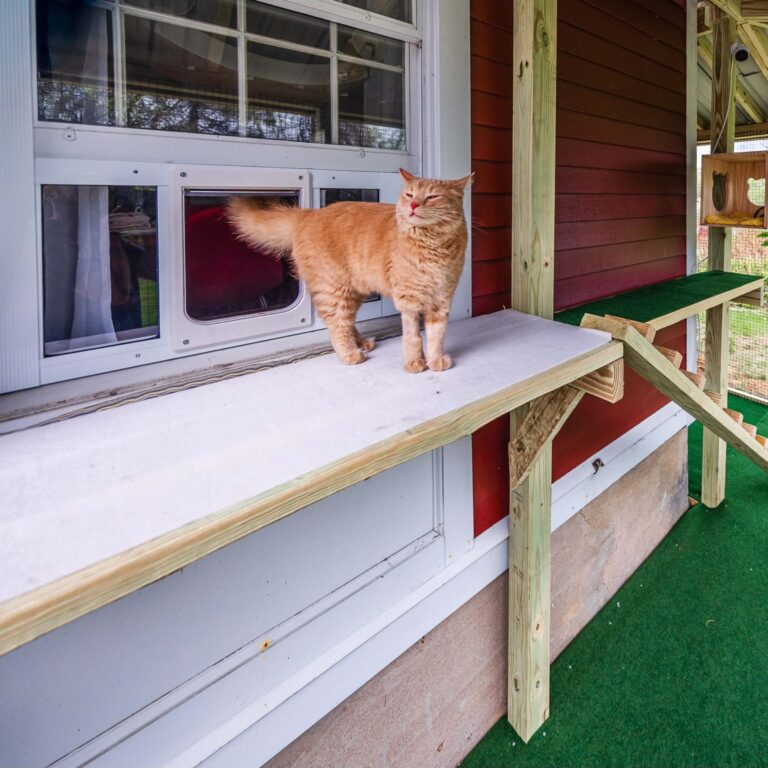
Once you understand how much a cat’s environment affects their emotional health, the solution becomes clearer: your cat needs more than love, they need stimulation, safety, and space to thrive. That’s where a custom-built catio can make all the difference.
It’s designed to support your cat’s physical, mental, and emotional well-being, especially for those struggling with boredom, sadness, or stress. Here’s how:
- Safe Outdoor Exploration: Lets your cat enjoy wind, birds, insects, and natural scents without exposure to traffic, predators, toxic plants, or other outdoor dangers.
- Mental Stimulation: Offers variety through visual movement, changing weather, layered structures, and nature sounds, all of which reduce boredom and support cognitive health.
- Increased Exercise Opportunities: Encourages movement with platforms, ramps, and shelves. Climbing, jumping, and stretching promote physical activity, reducing stress and lethargy.
- Routine and Territory: Cats love having a space to call their own. A catio becomes part of their daily routine and enhances their sense of control, ownership, and emotional security.
- Natural Sunlight Exposure: Access to sunlight helps regulate your cat’s circadian rhythm, improves mood through serotonin production, and supports better sleep and energy cycles.
Whether you live in a city apartment or a spacious suburban home, our team at Cat Topia can design a custom catio that fits your space, your style, and most importantly, your cat’s needs.
Explore our gallery to see real examples
Schedule a free consultation and let’s bring your cat’s happy place to life
When to Seek Professional Help
While environmental enrichment—like adding a catio—can dramatically improve your cat’s quality of life, it’s not always the full solution. If your cat continues to show signs of sadness, distress, or unusual behavior, it’s important to look deeper. Some issues may be emotional, but others could be rooted in health or behavior disorders that require expert attention.
Here’s when to involve a professional:
- Rule Out Medical Issues: Always start with your veterinarian. Many signs of sadness—such as lethargy, appetite changes, or grooming issues—can also signal physical health problems like dental disease, arthritis, thyroid imbalances, or chronic pain. A thorough check-up ensures you’re not mistaking illness for emotional distress.
- Consider Behavioral Therapy: If your vet gives your cat a clean bill of health, but the symptoms persist, a certified feline behaviorist can help. They can assess your cat’s environment, habits, and interactions to uncover deeper emotional stressors or anxiety patterns that might not be obvious on the surface.
- Combine Professional Guidance with Environmental Changes: Often, the best results come from addressing emotional health from multiple angles. A vet may recommend a dietary change, medication, or behavior modification plan that works in tandem with your environmental improvements, like a catio that provides stimulation, autonomy, and a sense of safety.
Your Cat Deserves Joy
Recognizing when a cat is feeling emotionally unwell is the first, and most important, step in helping them heal. Sadness in cats can be easy to overlook, but the effects it has on their behavior, energy levels, and overall health are very real. By paying attention to subtle cues, learning what causes emotional stress, and observing behavioral shifts, cat guardians can intervene before distress becomes long-term.
Once identified, sadness doesn’t have to be permanent. Simple changes in routine, thoughtful interaction, and access to enriching environments can significantly improve a cat’s emotional state. Supporting a cat’s natural behaviors, like exploring, observing, and climbing, can restore their sense of curiosity and balance. For some cats, that might mean more playtime, a predictable routine, or new vertical spaces. For others, it could mean access to fresh air, sunlight, or safe opportunities to observe the outdoors.
Every cat deserves a life that’s not just safe, but also emotionally fulfilling. And when cats feel secure, stimulated, and connected to their environment, that well-being extends to the people who love them. Helping your cat feel better isn’t just about their happiness, it’s about creating a more peaceful, joyful home for everyone.
Considering a safe outdoor space to support your cat’s emotional well-being? Sumit an inquiry and our team would be happy to provide you with a free quote based on your vision!