

Matthew Hildebrandt
Marketing Director
Reasons Cats Poop Outside the Litter Box
Is your cat pooping outside the litter box? Let’s break down what might be causing it and explore simple, effective solutions to help get things back on track.
Written by Matthew Hildebrandt
Why Is My Cat Pooping Outside the Litter Box?
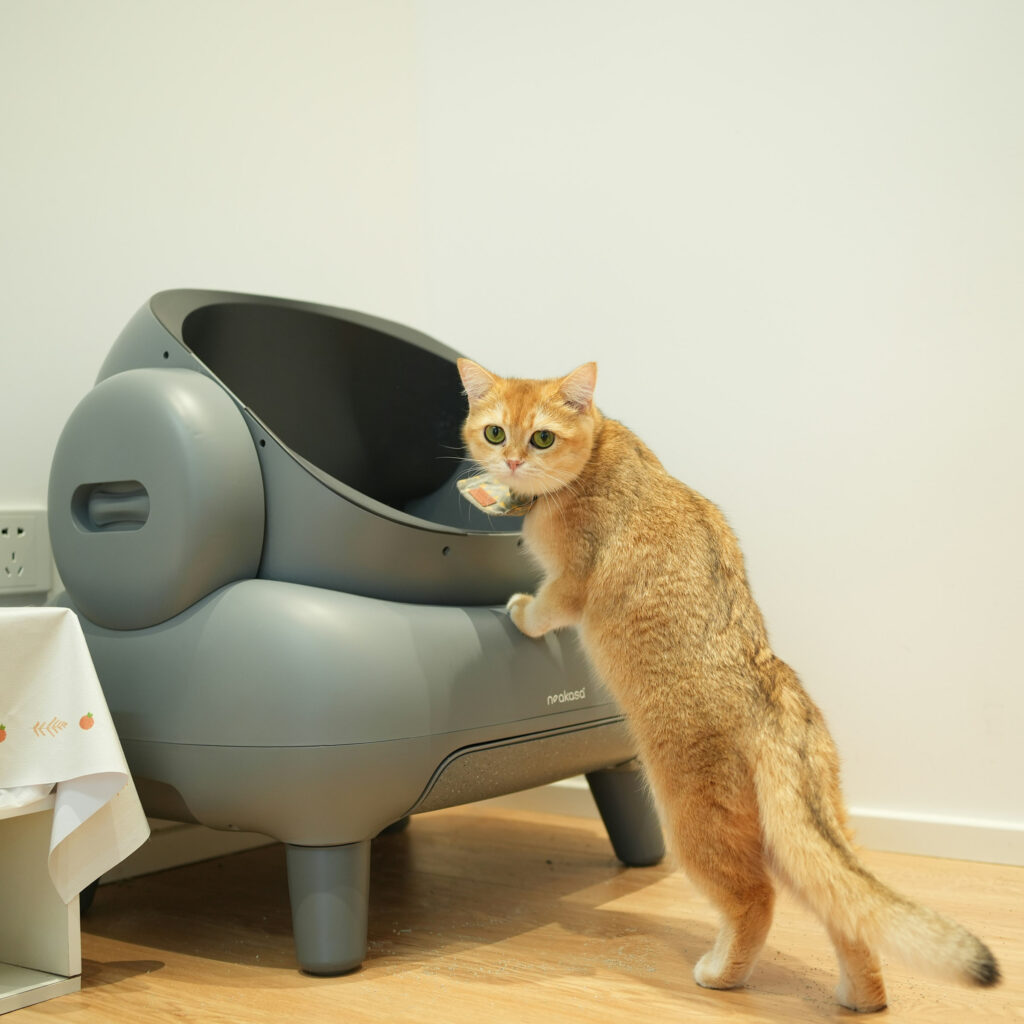
If your cat has suddenly started pooping outside the litter box, you’re not alone — and you’re not a bad cat parent. Inappropriate elimination is one of the most common (and most frustrating) behavioral issues cat owners face, and it can make even the most patient person feel overwhelmed. The good news? This behavior is highly fixable once you understand what your cat is trying to communicate.
Cats rarely poop outside the litter box “just because.” There is always a reason, whether it’s medical discomfort, stress, territorial tension, changes in routine, or simply a litter box setup that doesn’t meet their needs. By identifying the underlying cause, you can help your cat feel safe, comfortable, and confident again.
In this guide, we’ll walk through the most common medical, behavioral, environmental, and stress-related reasons why cats avoid the litter box, along with practical steps you can take to resolve the issue. We’ll also explore how environmental enrichment — including safe outdoor access through a catio — can significantly reduce stress-driven behaviors and support your cat’s overall well-being.
Let’s get to the root of the problem so your cat can get back to healthy habits, and your home can feel peaceful again.
First Step: Rule Out Medical Issues
Before exploring behavior or environmental causes, it’s crucial to recognize that sudden litter box avoidance often starts with a medical issue. When a cat experiences pain, discomfort, or digestive distress, they may begin associating the litter box with that discomfort, leading them to seek out new locations to relieve themselves.
Common Medical Conditions That Cause Litter Box Changes
- Constipation – hard, dry stools make straining painful, and some cats try to find a “softer” surface to relieve themselves.
- Diarrhea – urgency may cause accidents outside the box.
- IBD (Inflammatory Bowel Disease) – chronic inflammation can lead to unpredictable bowel movements.
- Arthritis or mobility issues – older cats may avoid high-sided boxes because stepping in hurts.
- Infections or parasites – GI infections, worms, or inflammation can cause discomfort, urgency, or aversion.
- Any pain condition – even dental pain or general inflammation can increase stress, which affects bathroom habits.
Subtle Signs Your Cat May Be in Pain or Discomfor
- Vocalizing in or near the litter box
- Straining or taking longer than usual to defecate
- Very small, hard stools
- Scooting after using the bathroom
- Excessive licking around the rear
- Sudden changes in stool consistency
- Avoiding jumping, climbing, or stairs
- A stiff or hesitant gait when walking
These small shifts often signal that your cat isn’t feeling well — and the litter box becomes a place they’d rather avoid.
When to Contact Your Veterinarian
If your cat suddenly starts pooping outside the litter box, especially if this behavior appeared quickly or out of nowhere, a vet visit is the best first step. Medical issues must be ruled out before addressing behavioral or environmental causes.
A simple exam, stool test, or bloodwork can help identify what’s going on and ensure your cat gets the right treatment.
It’s important to remember: Most litter box behavior problems are nearly impossible to fix until underlying medical issues are addressed.
Once your cat feels better physically, you’ll have a much clearer picture of what environmental or behavioral factors may still need attention.
Common Behavioral Reasons Cats Poop Outside the Litter Box
Once medical issues have been ruled out, the next most likely explanation is behavioral. Cats are incredibly sensitive to changes in their environment, routines, and social dynamics. When something feels “off,” they often communicate that discomfort through changes in bathroom behavior, including avoiding the litter box.
Below are some of the most common behavior-based reasons your cat may be pooping outside the box.
Stress or Anxiety
Cats thrive on predictability. They feel safest when their world follows a familiar rhythm, same rooms, same routines, same people, same scents. Even small disruptions can create enough stress to trigger unwanted behaviors, including litter box avoidance.
Common Stress Triggers
- New pets in the home (even calm introductions can be overwhelming)
- A new baby or houseguests
- Loud noises such as construction, yard work, thunderstorms, or home repairs
- Moving homes or rearranging furniture
- Changes in your schedule (especially for highly social or separation-sensitive cats)
- Unfamiliar smells from cleaning products, perfumes, or other animals
- Loss of a companion animal or household member
When stressed, cats may avoid the litter box, defecate in “safe zones,” or engage in what behaviorists call bathroom displacement, choosing a location that feels more secure or less threatening than the current box setup.
Why Stress Leads to Litter Box Avoidance
- Disrupts normal elimination routines
- Creates a fear-based association with the box
- Lowers their tolerance for sharing spaces with other pets
- Increases overall tension and reactivity
Territorial Behavior in Multi-Cat Homes
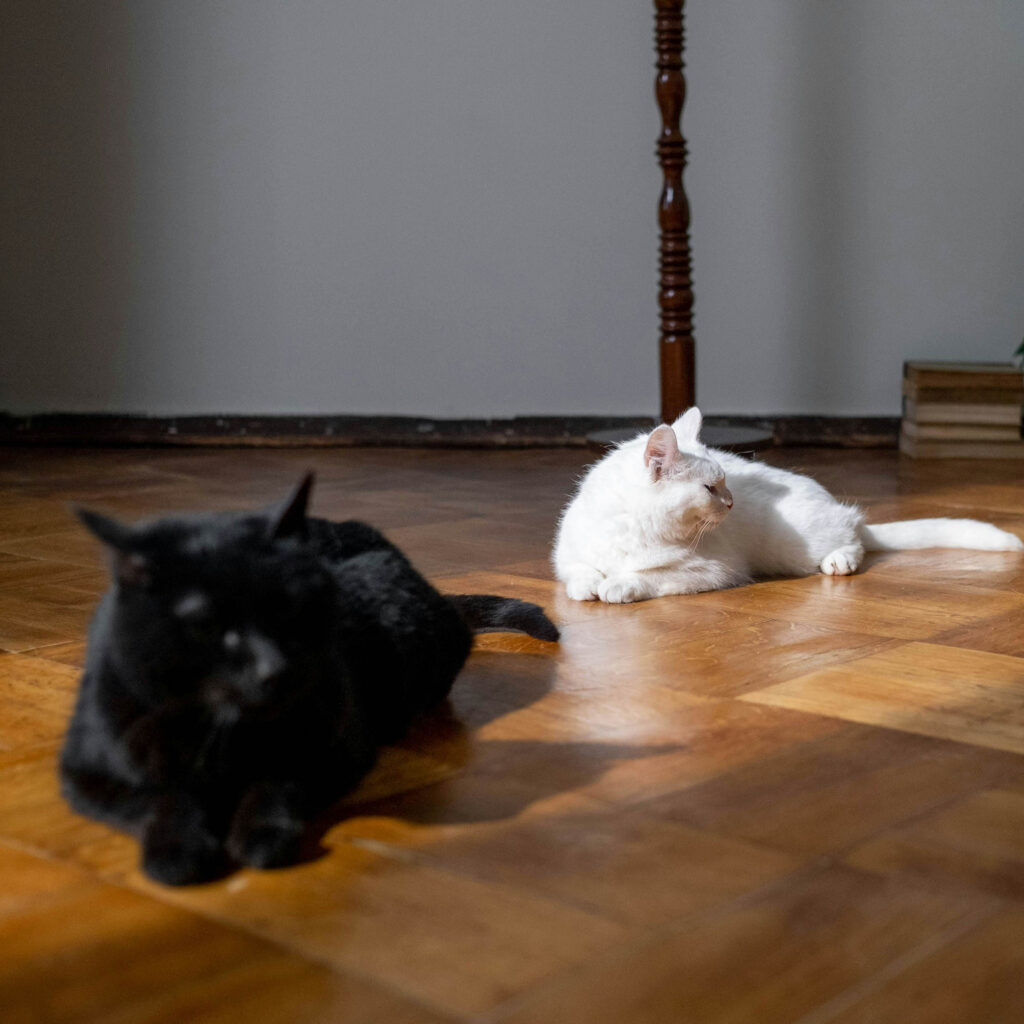
In homes with multiple cats, it’s surprisingly common for litter box problems to stem from quiet territorial tension. Even if your cats seem to get along, one cat may subtly control access to resources, especially the litter box. This isn’t always dramatic or aggressive; in fact, the signs are usually understated. A cat might sit near the hallway leading to the box, watch from a nearby perch, or casually block the path without ever making a sound. To the more timid cat, these small moments can feel like intimidation.
Because of this, some cats begin seeking out locations that feel safer and more private. Instead of risking a confrontation or feeling cornered, they may choose areas where they have more control and better escape routes. This is a natural coping response, not misbehavior.
A few subtle territorial behaviors that can affect litter box habits include:
- lingering near or around the litter box area
- quietly following or watching another cat as they approach the box
- sitting in doorways, hallways, or narrow spaces that force another cat to pass by
When these behaviors happen consistently, the affected cat may start pooping in spots they perceive as safer, a quiet corner, a bedroom, or anywhere they feel less vulnerable.
Creating more usable space in the home can significantly reduce this tension. Offering additional litter boxes in separate rooms, adding vertical territory like shelves or cat trees, and making sure pathways aren’t bottlenecked can help each cat feel more relaxed and secure. The goal is to give every cat multiple options and routes so no one feels trapped or monitored.
A catio is especially helpful in multi-cat situations because it naturally increases a cat’s sense of territory. By adding safe outdoor square footage, a catio reduces competition for indoor space and gives each cat more freedom to separate when they need to. This extra territory often leads to a calmer household dynamic, and fewer litter box conflicts.
Negative Associations With the Litter Box
Sometimes a cat avoids the litter box not because of the setup, but because they’ve formed a negative association with it. Cats have excellent memories, and if something painful, scary, or uncomfortable happens while they’re using the box, they may start connecting the box with that unpleasant experience. Over time, this can lead to avoidance even after the original problem has been resolved.
One of the most common triggers is painful elimination. For example, a constipated cat may strain and experience discomfort while using the box. Even after the constipation is gone, the cat may still associate that pain with the litter box itself. From their perspective: “box = pain,” so they look for another place where they hope the experience will feel different.
Another issue is getting startled while in the box. Loud household noises, a sudden appliance turning on, or even another pet interrupting them can create lasting anxiety around that location. Because cats are naturally vulnerable when eliminating, they need to feel completely safe. One frightening moment is sometimes enough to make them search for a more predictable and secure area.
Common triggers for negative associations include:
- a painful bowel movement due to constipation or diarrhea
- being surprised or interrupted while using the box
- sudden loud noises in the environment
- another cat stalking, swatting, or approaching during elimination
Rebuilding a positive connection with the litter box takes patience and reassurance. Often, it helps to place an additional box in a quieter, more private location so the cat can choose a safer alternative. Encouraging your cat with gentle praise, treats after successful uses, and keeping the area calm can gradually rebuild trust.
The goal is to help your cat realize the litter box is a comfortable and secure place again. With consistency and a little bit of positive reinforcement, most cats regain confidence and return to healthy bathroom habits.
Aging, Mobility, or Cognitive Decline
As cats age, their physical and cognitive abilities naturally begin to change, and these shifts can have a direct impact on their litter box habits. Senior cats may struggle with mobility in subtle ways, joints become stiff, jumping becomes harder, and navigating stairs or high-sided litter boxes can feel uncomfortable. When using the litter box becomes physically challenging, a cat may look for a spot that’s easier to access, even if it’s not where you want them to go.
Cognitive decline can complicate things further. Older cats experiencing feline cognitive dysfunction may become disoriented, forget the box’s location, or have trouble recognizing when they need to eliminate until the last moment. What looks like behavioral regression is often a sign that your cat is aging and needs a more supportive environment.
Some common age-related challenges include:
- difficulty stepping into tall or enclosed litter boxes
- confusion or hesitation when navigating stairs or long distances
- reduced vision, especially at night
- slower reaction times or increased anxiety in unfamiliar areas
Small, thoughtful adjustments can make a big difference for an older cat. Low-entry litter boxes are much easier for stiff or arthritic cats to step into, and placing boxes on every floor of the home helps reduce unnecessary strain. Adding a nightlight near the litter box can help cats with declining vision navigate more confidently, especially in low light. Keeping routines predictable — feeding times, play sessions, resting spots — also supports cognitive function and reduces stress.
By adapting the litter box setup to your cat’s aging needs, you create a safer and more comfortable environment that encourages consistent bathroom habits and helps your senior cat feel supported through every stage of life.
Environmental Stressors That Affect Litter Box Habits
Not all litter box problems come from illness or obvious behavior issues. Sometimes, the root cause is the environment itself. The spaces your cat eats, sleeps, plays, and eliminates in all shape how safe and relaxed they feel. When the environment becomes stressful, crowded, noisy, or simply not designed with a cat’s needs in mind, their bathroom habits can start to change.
Cats are highly sensitive to their surroundings. A home that feels too busy, too small, or too unpredictable can gradually increase their stress levels until it starts to show up as inappropriate elimination.
Litter Box Setup Problems
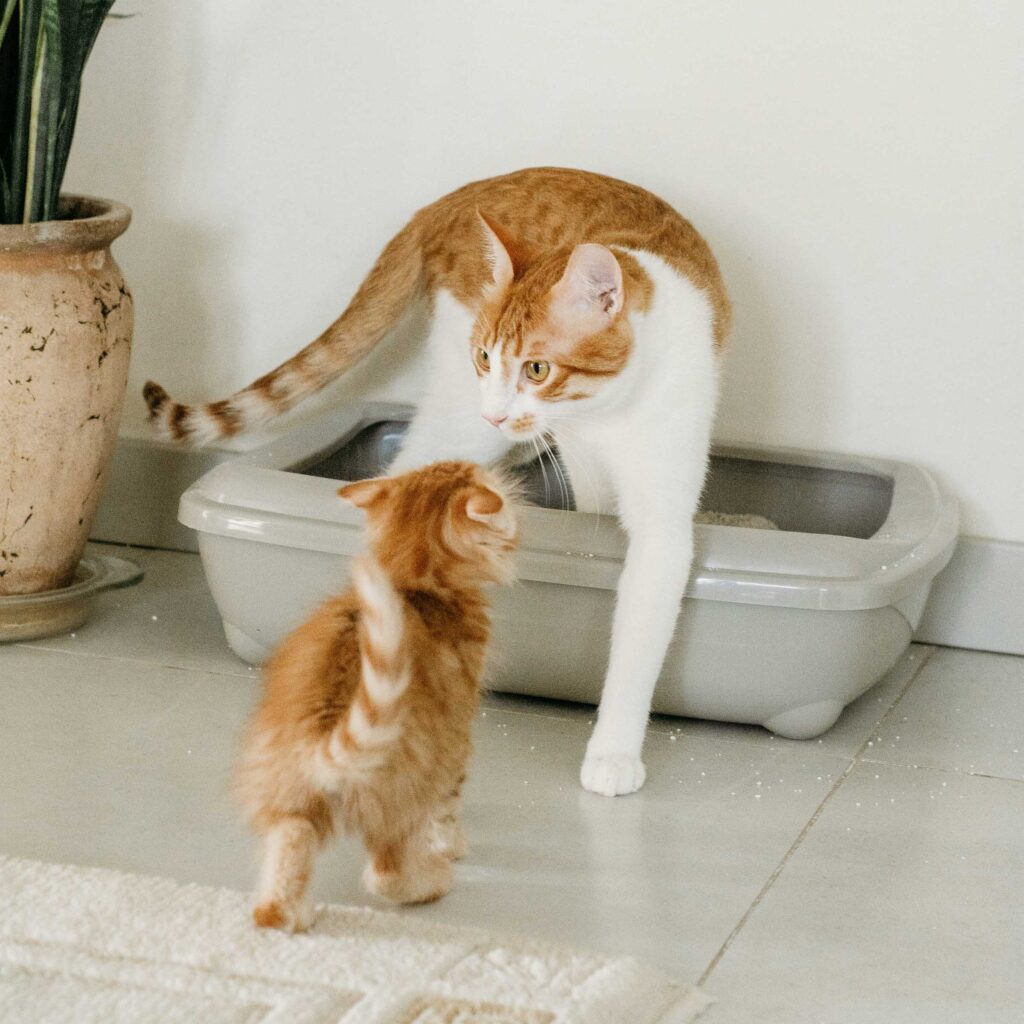
Sometimes the reason a cat poops outside the litter box is simply because something about the box itself doesn’t feel right. Cats are incredibly particular about their bathroom environment, and even small issues — a box that’s too small, a smell they dislike, or a location that feels unsafe — can be enough to make them seek out an alternative spot. From their perspective, choosing another area is their way of solving a problem, not creating one.
Many litter box challenges can be resolved just by improving the setup. There’s a widely accepted “Gold Standard” for what most cats prefer, and following it can make a significant difference. Key elements of an ideal litter box setup include:
- The right number of boxes: 1 box per cat plus 1 extra
- An open-top design: most cats dislike covered boxes because odors build up and visibility is limited
- A large box size: bigger is almost always better, especially for larger or older cats
- Soft, unscented, fine-grain litter: this texture feels more natural and comfortable on their paws
- Frequent cleaning: many cats avoid boxes if they’re even slightly dirty
- A quiet, accessible location: away from loud appliances, busy walkways, or areas where they might feel startled
When any of these factors are off, a cat may reject the box simply because it doesn’t meet their comfort or safety standards. Making adjustments — even small ones — often leads to immediate improvements.
Litter box problems aren’t always behavioral at their core; many start with the environment. By optimizing the setup to match what cats naturally prefer, you’re creating a space where your cat feels relaxed and confident using the box again.
Boredom or Lack of Enrichment
When a cat doesn’t have enough stimulation in their daily environment, boredom can quietly build into stress, and that stress often shows up in unexpected ways, including pooping outside the litter box. Cats may look relaxed or low-energy on the surface, but many are actually under-stimulated. Without enough mental and physical engagement, their overall emotional balance can shift, making them more prone to behavior changes.
Enrichment plays a huge role in regulating a cat’s behavior. When cats have opportunities to use their bodies and minds throughout the day, they’re better equipped to handle small frustrations, changes in routine, or mild stress without it spilling over into inappropriate elimination. Think of enrichment as pressure release: when a cat gets to “be a cat,” they feel calmer and more secure.
Cats naturally need outlets to:
- climb and perch at different heights
- observe their surroundings from safe vantage points
- stalk, chase, and “hunt” through play
- scratch and stretch their muscles
- explore new spaces, textures, and scents
When these needs aren’t met, some cats become restless or anxious, and litter box habits can be one of the first things to shift. Adding more playtime, interactive toys, puzzle feeders, climbing shelves, or rotating enrichment items can help bring their stress levels down and reestablish more predictable bathroom behavior.
By giving your cat more ways to stay engaged and express their natural instincts, you create a calmer, more fulfilling environment, and that often leads to more consistent and confident litter box use.
Indoor Confinement and Anxiety
While cats can live healthy, fulfilling lives indoors, some cats struggle when their world feels too small or unstimulating. Indoor environments that lack variety, movement, or excitement can lead certain cats to develop restlessness, frustration, or anxiety. When these feelings build up over time, a cat may start showing stress-related behaviors, and one of the most common is a change in litter box habits.
A cat who feels confined or mentally under-stimulated may begin pacing, overgrooming, vocalizing more, acting tense around other pets, or seeking attention in unusual ways. Bathroom changes often follow because elimination is closely tied to a cat’s emotional state. When their stress rises, their routine can shift right along with it.
To help reduce confinement-related anxiety, it’s important to give indoor cats outlets that make their world feel bigger, safer, and more interesting. Helpful additions include:
- window perches that let them watch birds, people, or outdoor activity
- scent enrichment like cat-safe herbs, scratchers, cardboard textures, or rotating toys
- predictable play routines that allow them to burn energy and express hunting instincts
While indoor-only living keeps cats safe, it doesn’t automatically meet all of their instinctual needs. Many cats benefit tremendously from outdoor-style enrichment, but free roaming is extremely dangerous, exposing cats to cars, predators, toxins, territorial fights, and infectious diseases. It also poses risks to wildlife.
This is where controlled outdoor enrichment becomes so valuable. Safe, protected access to the outdoors can significantly reduce anxiety by giving cats more space to explore, new scents to investigate, and more stimulation than they receive indoors alone. Fresh air, sunlight, natural movement patterns, and the ability to observe the world around them all help regulate a cat’s stress levels and support healthier behaviors, including consistent litter box habits.
Providing outlets that mimic the freedom of the outdoors — without the danger — gives indoor cats the confidence and stimulation they need to feel secure, content, and emotionally balanced.
Tension Caused by Neighborhood Cats
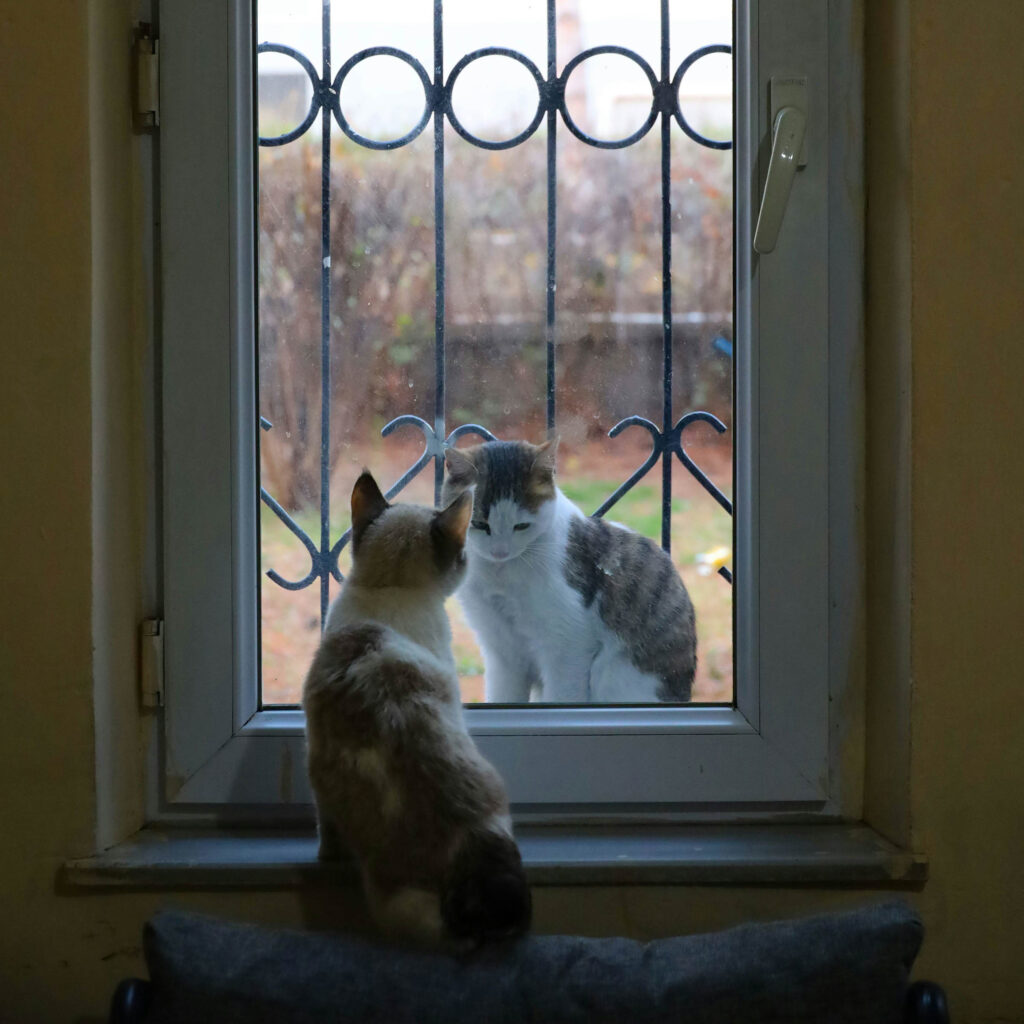
Even if your cat never steps outside, other cats outside your home can have a major impact on their indoor behavior. When neighborhood or stray cats wander near windows, porches, or doors, your indoor cat may feel threatened or challenged, especially if the outsider lingers or stares inside. This creates a type of defensive stress that can quickly disrupt litter box habits.
To your cat, these outdoor visitors aren’t just curious animals, they’re intruders entering what your cat considers their territory. Because cats rely heavily on scent marking and routine to feel secure, the presence of an unfamiliar cat can trigger anxiety, hypervigilance, and territorial responses. Some indoor cats may start pooping or marking near entry points to “claim” the area and reinforce boundaries, even if they’ve always been perfect with the litter box before.
Signs that outdoor cats are creating tension include:
- your cat pacing or meowing at windows
- sudden aggression toward other pets
- staring intently outside at specific times
- pooping or marking near doors, windows, or sliding glass areas
These reactions are rooted in instinct, not misbehavior. To an indoor cat, another cat approaching the home feels like a serious threat they can’t directly address.
There are several simple ways to help relieve this stress. Blocking the visual access temporarily — using curtains, frosted film, or furniture placement — can instantly make your cat feel safer. Adding motion-activated deterrents outside can prevent stray cats from approaching windows or doorways in the first place. Increasing indoor enrichment also helps redirect your cat’s focus and gives them healthier outlets for their energy.
By reducing the intensity of these outside triggers and creating a calmer indoor environment, you can help your cat feel secure again — and restore more predictable litter box habits.
How to Stop Your Cat From Pooping Outside the Litter Box
Once you understand why your cat might be avoiding the litter box, the next step is taking clear, practical action. The good news is that many cases of inappropriate elimination can be corrected with simple adjustments to your cat’s environment, routine, and resources. By making the litter box more appealing, reducing stress triggers, and giving your cat a sense of security, you can often resolve the issue without needing major behavior changes. The first place to start is the litter box itself.
Improve the Litter Box Setup
One of the most effective ways to stop inappropriate elimination is to take a close look at the litter box setup. Even if your cat has used the same box for years, their preferences or comfort levels can change over time. Small upgrades to the environment can make a surprisingly big difference, and many litter box problems improve dramatically once the setup aligns better with what cats naturally prefer.
Start by making sure the basics are covered. Cats like predictable, clean, private spaces when they eliminate, and they rely heavily on comfort and safety during the process. If the box is too small, the litter is uncomfortable, or the location feels busy or loud, your cat may start looking for alternative spots.
A helpful step-by-step optimization checklist includes:
- Experimenting with different litter types: Some cats prefer softer textures, while others may dislike scented litters or coarse grains.
- Increasing the number of boxes: Using the rule of thumb—one box per cat plus one extra—can quickly reduce stress and give cats more choice.
- Cleaning the boxes more frequently: Many cats avoid even slightly dirty boxes. Daily scooping and weekly deep cleaning can make a big difference.
- Choosing private, low-traffic areas: Avoid placing litter boxes by appliances, busy hallways, or loud rooms where your cat might get startled.
- Providing larger boxes: Most standard store-bought boxes are too small. Bigger boxes feel more secure and give cats the space they need to turn and dig comfortably.
Reduce Stress and Increase Predictability
Cats thrive on consistency. When their routine is stable, predictable, and calm, they feel secure, and that sense of security plays a huge role in maintaining healthy litter box habits. Stress, on the other hand, disrupts a cat’s emotional balance and can quickly lead to changes in behavior, including where they choose to eliminate. Creating a predictable daily rhythm helps your cat feel grounded and reduces the anxiety that often drives inappropriate elimination.
A reliable routine doesn’t need to be complicated. It’s more about making sure the same general pattern happens each day so your cat knows what to expect. Cats feel safer when they aren’t constantly surprised by sudden noises, unpredictable activity, or major changes in their environment. Simple structure gives them the comfort they need to settle into healthier habits.
Helpful strategies include:
- Establishing daily routines: Aim for consistent times for feeding, play, and relaxation.
- Keeping schedules steady: Cats feel most secure when their day follows familiar patterns.
- Avoiding sudden changes: Rearranging furniture, bringing in new scents, or changing household routines abruptly can cause stress.
- Using pheromone diffusers: Products like Feliway can help create a calming environment by mimicking natural feline pheromones.
- Integrating play therapy: Active play reduces tension, burns excess energy, and helps relieve stress before it builds up.
Add Environmental Enrichment
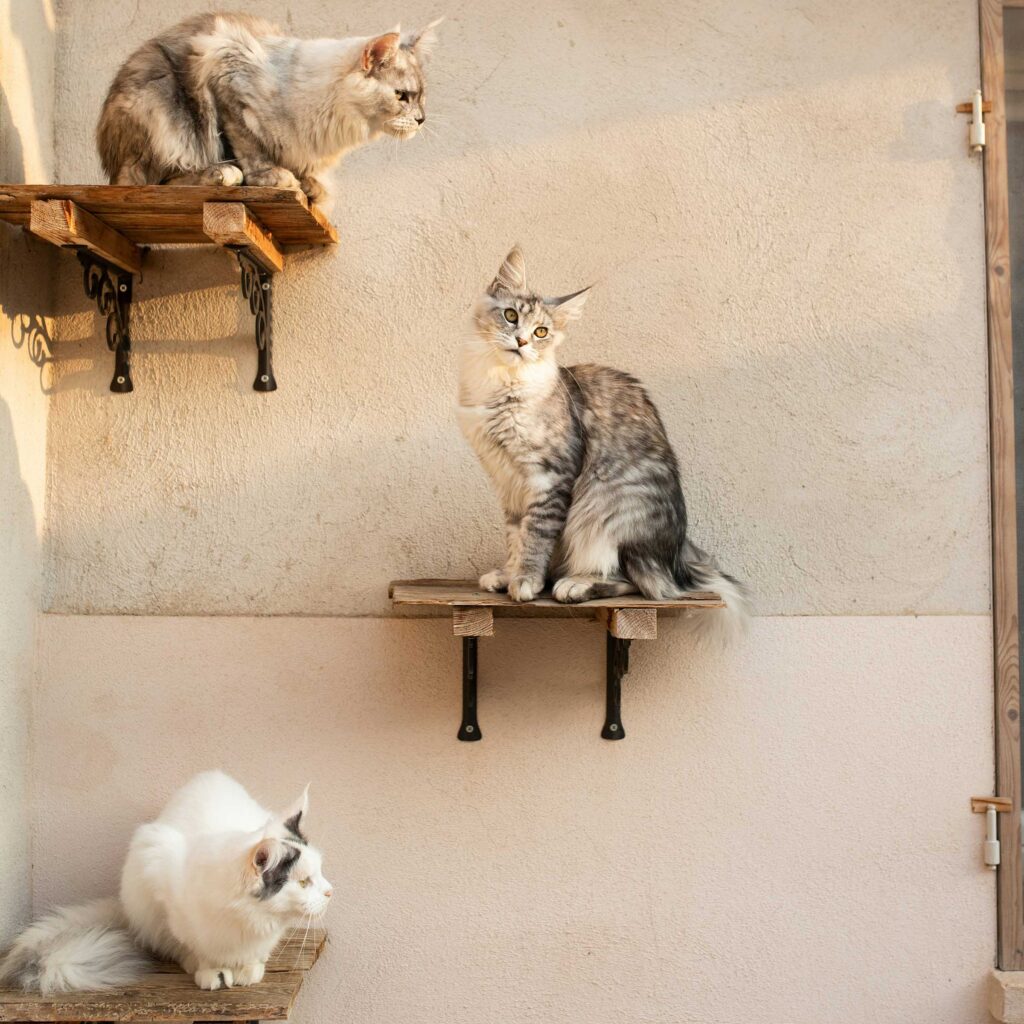
Environmental enrichment is one of the most powerful tools for improving a cat’s mental and emotional well-being. When a cat’s world feels interesting, engaging, and full of opportunities to explore, they’re far less likely to develop stress-driven behaviors, including changes in litter box habits. Enrichment helps cats express their natural instincts, burn off excess energy, and feel more confident in their environment.
A stimulating environment doesn’t need to be complicated. It simply needs to offer variety and give your cat a chance to use their body and mind in ways that feel natural. When a cat is enriched, they’re calmer, more balanced, and more predictable in their routine.
You can enhance your cat’s daily environment by incorporating:
- Rotating toys: Refreshing toys regularly keeps playtime exciting and mentally stimulating.
- Puzzle feeders: These mimic hunting behaviors and make mealtime more engaging.
- Climbing shelves or cat trees: Vertical territory helps cats feel secure and provides healthy outlets for observation.
- Scratching posts: Offer multiple textures and heights to satisfy scratching instincts and reduce stress.
- Exploration opportunities: Boxes, tunnels, safe hiding spots, and new scents give your cat something new to investigate.
Enrichment doesn’t just prevent boredom, it builds confidence. Cats who have plenty of ways to challenge themselves and express their instincts are less likely to seek alternative places to eliminate.
Reintroduce the Litter Box Slowly
If your cat has developed strong avoidance around the litter box, sometimes the best approach is to gently reset their habits. Reintroducing the litter box slowly helps rebuild positive associations and gives your cat a safe, controlled space to regain confidence. This isn’t about punishment or restriction, it’s about creating a calm, predictable environment where your cat can succeed without feeling overwhelmed.
A helpful first step is to confine your cat to a small, quiet room with everything they need, such as a cozy resting spot, food and water, enrichment items, and, of course, a litter box. In a smaller space, your cat is less likely to feel stressed or intimidated, and they’re more likely to use the box simply because it’s convenient, private, and safe. This controlled environment allows you to observe their habits and ensure they’re using the box consistently before giving them more room.
To support a smooth reintroduction, you can:
- Start with a single, easily accessible litter box in the room.
- Gradually increase your cat’s access as their litter box habits return to normal.
- Praise and reward your cat when they use the box successfully, reinforcing positive associations.
- Avoid punishment completely, as it increases stress and can make litter box issues worse.
Take your time with this process, rushing can undo progress. As your cat becomes more confident, you can slowly expand the areas they can access, always making sure they feel secure and supported. With patience and encouragement, most cats return to reliable litter box use and rebuild healthy routines.
When to Seek Professional Help
While many litter box issues can be resolved with environmental changes and improved routines, there are times when professional help is not just helpful, but necessary. Cats often communicate discomfort or illness through changes in bathroom habits, and some signs indicate that something deeper may be going on. Seeking a veterinarian or certified feline behaviorist isn’t a sign of failure, it’s an act of care. Your cat isn’t doing anything “wrong”; they’re trying to tell you that they need help.
Certain red flags require prompt attention, especially if the behavior appears suddenly or is accompanied by physical symptoms. These include:
- chronic diarrhea or soft stool that persists for more than a couple of days
- vomiting, nausea, or decreased appetite
- unexplained weight loss or lethargy
- blood or mucus in the stool
- straining, crying, or visible discomfort while eliminating
Even if no medical symptoms are present, it’s important to consult a professional if your cat continues eliminating outside the litter box despite environmental improvements. Persistent issues may point to underlying anxiety, phobias, cognitive decline, or multi-layered behavioral concerns that benefit from expert guidance. A behaviorist can help identify triggers you may not see and create a personalized plan tailored to your cat’s personality and household dynamics.
Most importantly, pet parents should never feel guilty. Inappropriate elimination is not defiance or misbehavior, it’s communication. Cats use their bathroom habits to signal when something is physically uncomfortable, emotionally stressful, or environmentally unsuitable. Reaching out for help simply means you’re listening.
Professional support, combined with patience and compassion, can make a life-changing difference for both you and your cat.
How Outdoor Enrichment Through a Catio Can Help
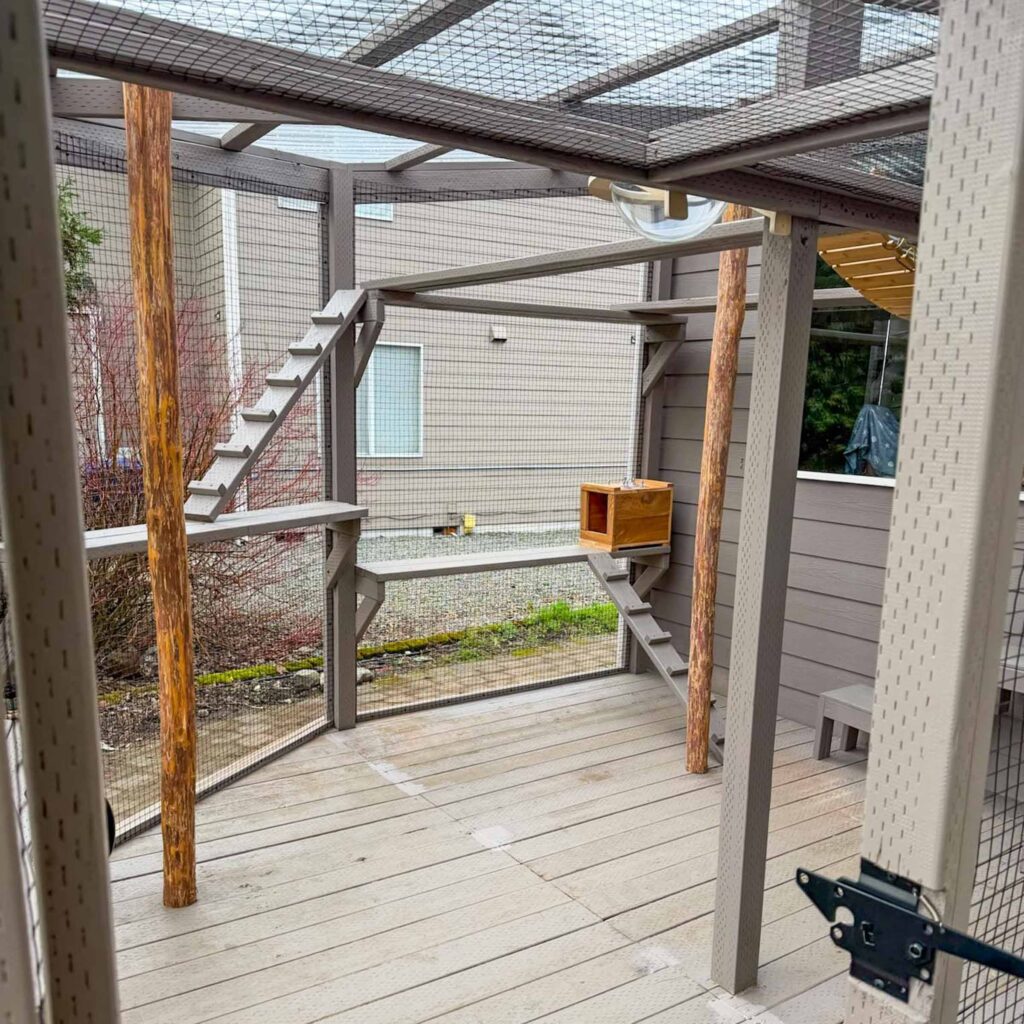
By the time pet parents reach this point, they’ve often tried adjusting routines, improving the litter box setup, and reducing stress indoors, but the environment itself still plays a big role in how a cat feels. One of the most effective ways to support healthier behavior is to expand the world your cat has access to. That’s where outdoor enrichment comes in. The outdoors provides sights, scents, movement, and stimulation that indoor spaces simply can’t replicate, but free roaming is dangerous, putting cats at risk from cars, predators, toxins, territorial fights, and diseases. A catio offers a safe, controlled alternative that gives your cat all the benefits of outdoor exploration without the dangers.
Catios can help address many of the underlying causes of litter box issues by reducing stress, increasing confidence, and adding meaningful enrichment to your cat’s life. They give your cat a way to observe, explore, watch wildlife, stretch, climb, and lounge in fresh air, all experiences that help regulate mood and reduce anxiety.
A few ways catios naturally support healthier litter box habits include:
- reducing boredom and frustration by providing constant sensory enrichment
- lowering territorial tension by adding extra space and separation options in multi-cat homes
- meeting natural instincts to watch, stalk, climb, and explore from a safe vantage point
- improving overall behavior as mental stimulation increases and stress levels drop
When cats feel like their world is bigger and more interesting, their emotional balance improves, and that often leads to more predictable and consistent bathroom habits. Catios expand territory in a way that feels instinctive to cats, giving them the freedom to decompress, move, and observe without overwhelming them.
If you’re exploring new ways to enrich your cat’s environment, a custom catio can transform their daily routine and support calmer, healthier behavior—all while keeping them safe and protected outdoors.
Final Thoughts
If your cat is pooping outside the litter box, it’s important to remember one thing above everything else: you’re not alone, and this problem is absolutely solvable. Cats are sensitive, complex creatures, and their bathroom habits are often their clearest way of communicating that something in their world isn’t quite right. Once you understand the root cause—whether it’s medical, behavioral, environmental, or emotional—you’re already halfway to the solution.
The journey to restoring healthy litter box habits often involves patience, a little detective work, and a willingness to see things from your cat’s perspective. Small changes to the environment, consistent routines, better enrichment, or simply giving your cat more space to feel safe can make a world of difference. Every cat is unique, and what works for one may look a little different for another, but the path forward always starts with compassion and understanding.
As you explore ways to support your cat, consider how enrichment and environment play such a big role in their happiness. Sometimes giving your cat more opportunities to explore, observe, and engage with their surroundings—whether indoors or through safe, structured outdoor access—can be the missing piece in restoring their confidence and easing their stress. It doesn’t have to be a big change; even small adjustments can have a meaningful impact on their overall well-being.
Most importantly, be kind to yourself. This behavior isn’t a reflection of bad training, bad luck, or bad parenting, it’s just communication. And now that you know what to look for, you have all the tools to help your cat feel safe, supported, and comfortable again.
Together, you and your cat can get back to a routine that feels peaceful, predictable, and joyful for both of you.