
Male Cat Behavior After Neutering: What Changes, What’s Normal, and What to Expect
Published on January 16th, 2026
If you’re searching for information about male cat behavior after neutering, chances are you’re feeling a mix of concern, confusion, or even guilt. Many cat parents worry that neutering might change their cat’s personality, make them less affectionate, or cause unexpected behavior they weren’t prepared for. These concerns are completely normal, and very common.
The reality is that behavior changes after neutering are expected, and in most cases, they’re positive. Neutering reduces hormone-driven behaviors like spraying, roaming, and aggression, but it doesn’t change who your cat is at their core. Some cats show noticeable changes quickly, while others adjust more gradually, which can leave owners wondering what’s normal and what might need attention.
This guide will walk you through what behavior changes to expect after neutering a male cat, how long those changes typically take, and which behaviors are normal versus signs to watch more closely. You’ll also learn how to support your cat’s emotional well-being during this transition so they can feel safe, confident, and healthy as they adjust.
Why Neutering Changes Male Cat Behavior
Neutering changes male cat behavior because it reduces the production of testosterone, a hormone that strongly influences certain instinct-driven behaviors. Testosterone plays a key role in territorial marking, roaming, mating behaviors, and some forms of aggression. When a male cat is neutered, testosterone levels gradually decline, which is why many of these behaviors become less intense or disappear over time.
It’s important to understand that neutering affects behavior, not personality. Traits like affection, playfulness, curiosity, or shyness are part of who your cat is and are shaped by genetics, early experiences, and environment. Neutering doesn’t erase those traits, it simply reduces hormone-driven urges that can cause stress or conflict, especially in multi-pet households or outdoor environments.
Some behaviors don’t stop immediately because testosterone doesn’t leave the body overnight. Hormone levels can take weeks, or even months, to fully decrease, especially in cats neutered later in life. In addition, behaviors that were learned or reinforced before neutering—such as spraying or aggressive responses—may persist for a time even after hormone levels drop. This doesn’t mean neutering “didn’t work”; it simply means your cat is adjusting biologically and behaviorally at their own pace.
Understanding this process can help set realistic expectations and reassure you that behavior changes after neutering are rooted in biology, not emotional distress or punishment.
Common Male Cat Behavior Changes After Neutering

After neutering, many male cats experience gradual behavior changes as hormone levels decrease. While every cat is different, the following changes are some of the most common and expected. Not all cats will show every change, and the timing can vary depending on age, environment, and previous behavior.
Reduced Spraying and Urine Marking
One of the most noticeable changes after neutering is a reduction in urine spraying. Spraying is largely driven by testosterone and territorial instincts. Many male cats stop spraying entirely within weeks to months after neutering, though cats neutered later in life may take longer or continue spraying if the behavior becomes habitual.
Less Aggression and Fighting
Neutering often leads to a decrease in hormone-driven aggression, including fighting with other cats or aggressive posturing. This is especially noticeable in households with multiple cats or in areas where outdoor cats are visible. However, fear-based or learned aggression may still require additional support.
Decreased Roaming and Escape Attempts
Male cats are less likely to roam or attempt to escape once neutered. The urge to seek out mates fades as testosterone levels drop, which can make cats more content staying closer to home. Curiosity and interest in the outdoors may remain, but the intensity of roaming behavior usually decreases.
Calmer Overall Behavior
Many cat owners report that their male cat seems calmer after neutering. This doesn’t mean cats become inactive or lazy, it simply means they’re often less driven by hormonal urges. Playfulness, affection, and personality typically remain unchanged.
Changes in Energy Levels
Some male cats experience a slight decrease in energy after neutering, while others show no change at all. Activity levels are influenced by age, diet, and lifestyle, not just neutering. Maintaining play and mental stimulation remains important for long-term health.
Behavior Changes That Are Temporary (and Often Worry Owners)
In the days following neutering, it’s common for male cats to show short-term behavior changes that can catch owners off guard. These behaviors are usually related to anesthesia, mild discomfort, or the stress of a new experience, not long-term personality changes. While they can be concerning to see, most of these reactions are temporary and improve as your cat recovers.
Some male cats may appear disoriented or unusually quiet after surgery. Anesthesia can affect balance, awareness, and coordination for a short time, making cats seem “off” or less like themselves. This typically improves within 24 to 48 hours.
Others may become more clingy or, conversely, more withdrawn. Seeking extra attention or hiding more than usual is a normal response to stress and unfamiliar sensations. These behaviors usually fade as your cat begins to feel more comfortable.
Increased vocalization is another common reaction. Some cats meow more after neutering due to confusion, discomfort, or temporary anxiety. As long as your cat is eating, drinking, and recovering normally, this behavior is usually short-lived.
You may also notice restlessness or difficulty settling, especially during the first few days of recovery. Limited activity and changes in routine can make some cats feel frustrated or unsettled.
In most cases, these behaviors resolve within a few days to a couple of weeks as your cat heals and hormone levels begin to stabilize. If a behavior seems to worsen, persists beyond the recovery period, or is accompanied by signs of pain or illness, a follow-up with your veterinarian is always recommended.
Timeline: How Long Does It Take for Male Cat Behavior to Change After Neutering?
One of the most common questions cat owners have after neutering is how long it will take to see behavior changes. While some improvements may happen quickly, most changes occur gradually as hormone levels decline and your cat adjusts physically and emotionally. Understanding the general timeline can help set realistic expectations and make it easier to tell what’s normal during the weeks and months after neutering.
First 24–72 Hours
During the first 24 to 72 hours after neutering, most behavior changes are related to anesthesia and physical recovery rather than hormonal shifts. It’s common for male cats to appear more tired than usual, slightly disoriented, or less coordinated as the anesthesia wears off. Some cats may sleep more, while others may seem restless or unsettled.
Mild discomfort can also affect behavior during this time. Your cat may move cautiously, avoid jumping, or seem less interested in play. Changes in appetite, increased vocalization, or seeking more attention—or more solitude—are also normal reactions during early recovery.
At this stage, it’s important to remember that testosterone levels have not yet dropped significantly. Hormone-driven behaviors such as spraying, aggression, or roaming are unlikely to change right away. Providing a quiet space, limiting activity as recommended by your veterinarian, and maintaining familiar routines can help your cat feel safe and supported as they begin to heal.
First 2–4 Weeks
During the first two to four weeks after neutering, testosterone levels begin to decline, and some early behavior changes may start to appear. This is often when owners notice subtle shifts, such as reduced restlessness, fewer escape attempts, or a slightly calmer overall demeanor. These changes can be gradual and may come and go rather than happening all at once.
It’s important to keep expectations realistic during this stage. While some hormone-driven behaviors may begin to lessen, others—especially behaviors that were practiced frequently before neutering—may still occur. Spraying, vocalizing, or reactive behavior can take longer to fade as the body continues adjusting hormonally.
Consistency and patience are key during this period. Maintaining routines, providing mental stimulation, and reducing stress can help support positive behavior changes as hormone levels continue to decrease.

1–3 Months
Between one and three months after neutering, many male cats show more noticeable and consistent behavior changes. By this point, testosterone levels have dropped significantly, allowing hormone-driven behaviors to stabilize. This is often when reductions in spraying, roaming behaviors, and hormone-related aggression become more apparent.
Cats may seem more relaxed in their environment and less reactive to outside stimuli, such as other animals or unfamiliar sounds. While personality traits like playfulness or affection remain the same, the intensity behind certain behaviors is often reduced.
That said, not all behavior changes happen automatically. Learned behaviors or stress-related responses may still require time, environmental support, or guidance from a veterinarian or behavior professional. Progress during this stage is typically gradual, but it reflects your cat’s ongoing adjustment rather than a setback.
Long-Term Expectations
In the long term, many hormone-driven behaviors in male cats either disappear or become much less frequent after neutering. Behaviors such as roaming, mating-related vocalization, and fighting with other cats typically improve significantly once testosterone levels remain low.
However, not every behavior change is guaranteed to resolve on its own. Behaviors that were learned or reinforced before neutering—such as spraying, anxiety-related aggression, or stress responses—may persist and require additional support. These behaviors are often influenced by environment, routine, and emotional well-being rather than hormones alone.
Understanding the difference between hormone-driven behaviors and learned behaviors can help set realistic expectations. Neutering is an important step for health and behavior, but long-term success often comes from combining medical care with consistent routines, enrichment, and a supportive environment.
Does Neutering Change a Male Cat’s Personality?

One of the biggest concerns cat owners have before and after neutering is whether it will change their cat’s personality. The short answer is no, neutering does not change who your cat is. It affects hormone-driven behaviors, not the core traits that make your cat unique.
Personality includes qualities like affection, curiosity, playfulness, confidence, or shyness. These traits are shaped by genetics, early socialization, and life experiences. Neutering reduces testosterone, which influences behaviors such as spraying, roaming, and mating-related aggression, but it doesn’t remove emotional bonds or personality traits.
Affectionate cats typically remain affectionate after neutering, and shy or cautious cats don’t suddenly become different animals. What often changes is the intensity of certain behaviors, not the underlying temperament. A cat that was playful before neutering will still enjoy play, just without the added stress of hormonal urges.
Neutering also does not affect intelligence, recognition of family members, or a cat’s ability to form strong attachments. Rather than erasing individuality, neutering often helps cats feel more settled and comfortable in their environment, allowing their true personality to show through without hormonal interference.
Why Some Male Cat Behaviors Don’t Change After Neutering
While neutering leads to positive behavior changes for many male cats, it’s important to understand that not every behavior will disappear automatically. This doesn’t mean neutering didn’t work or that something went wrong, it simply reflects how behavior is shaped by more than hormones alone.
Some behaviors become learned habits over time. For example, spraying or reactive behaviors that were practiced repeatedly before neutering can continue even after testosterone levels drop. In these cases, the behavior is no longer hormonally driven but reinforced through routine or stress.
Environmental stress can also influence behavior. Changes in the home, the presence of other pets, loud noises, or lack of stimulation can contribute to ongoing behavioral issues regardless of neuter status.
Cats neutered later in life may take longer to adjust, especially if hormone-driven behaviors were well established beforehand. While neutering still offers health and behavioral benefits, the timeline and degree of change can vary.
Finally, anxiety or boredom can play a significant role. Cats that lack mental or physical stimulation may express frustration through vocalization, aggression, or destructive behaviors.
Recognizing these factors helps set realistic expectations. Neutering is an important step, but ongoing support, enrichment, and a stable environment are often key to long-term behavior improvement.
When to Be Concerned About Post-Neuter Behavior

Most behavior changes after neutering are normal and temporary, but there are times when a closer look is warranted. Knowing what falls outside typical recovery and adjustment can help ensure your cat stays healthy and comfortable.
Persistent aggression that continues for weeks or months after neutering—especially if it escalates or appears suddenly—may signal stress, pain, or an underlying medical issue rather than hormone-related behavior.
Ongoing spraying that does not improve over time can also be a sign that something else is contributing, such as environmental stress, territorial anxiety, or a urinary health concern.
Lethargy beyond the normal recovery period is another reason to check in with your veterinarian. While it’s normal for cats to be quieter immediately after surgery, continued low energy, loss of appetite, or withdrawal may indicate discomfort or illness.
A sudden behavioral regression, such as a previously calm cat becoming fearful, aggressive, or withdrawn, should also be evaluated, especially if the change is abrupt or severe.
When in doubt, reaching out to your veterinarian is always the best course of action. Early guidance can help rule out medical issues and provide reassurance or support if additional care is needed.
Supporting Your Male Cat’s Emotional Well-Being After Neutering
After neutering, supporting a male cat’s emotional well-being is just as important as allowing time for physical recovery. While hormone levels gradually decrease, cats still rely on routine, stimulation, and a sense of control in their environment to feel secure and confident during this transition.
Maintaining predictable routines—such as consistent feeding times and quiet rest periods—can help reduce stress and confusion. Gentle play, once approved by your veterinarian, allows cats to release energy in a healthy way without overstimulation. Providing mental stimulation through puzzle toys, window watching, or scent enrichment helps prevent boredom, which can contribute to unwanted behaviors.
Creating a calm home environment also matters. Stress reduction through familiar spaces, minimal noise, and safe hiding areas can promote more relaxed behavior. In addition, environmental enrichment—such as opportunities to climb, observe, and explore—gives cats appropriate outlets for natural instincts, supporting emotional balance as they adjust after neutering.
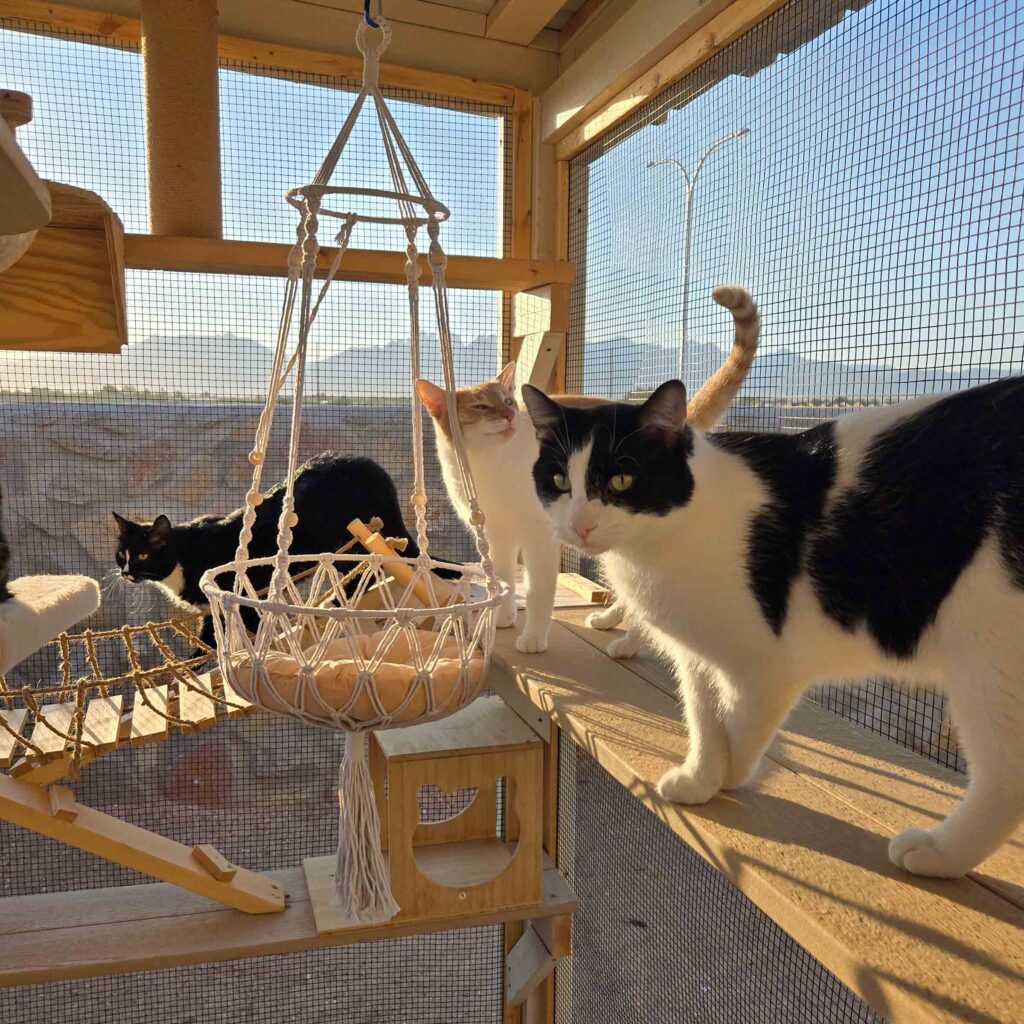
For some households, environmental enrichment may also include safe outdoor access, such as a catio or other enclosed outdoor space. Catios can provide fresh air, sunlight, and sensory stimulation while keeping cats protected, offering an additional way to support mental well-being without the risks associated with roaming during recovery.
Final Thoughts: Helping Your Male Cat Thrive After Neutering
Neutering is a health-positive decision that supports both the physical well-being and long-term quality of life of male cats. While behavior changes don’t happen overnight, they are usually gradual and often lead to calmer, more stable behavior over time. Understanding what’s normal—and allowing your cat the time they need to adjust—can make the transition smoother for both of you.
It’s also important to remember that behavior is influenced by more than hormones alone. A supportive environment, consistent routines, and opportunities for mental and physical stimulation play a significant role in helping cats feel secure and confident after neutering. When medical care is paired with thoughtful environmental support, cats are better equipped to thrive.
At Cat Topia, our focus has always been on creating conditions that help cats live happy, healthy lives. When neutering, enrichment, and a safe environment work together, cats are able to express their natural behaviors in positive ways, and that’s when they’re truly at their best.