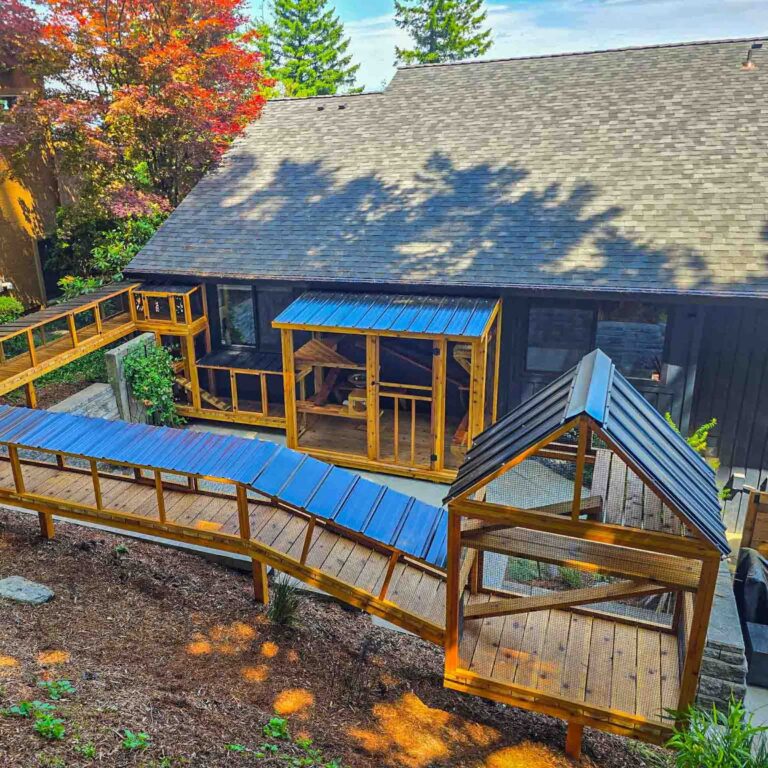
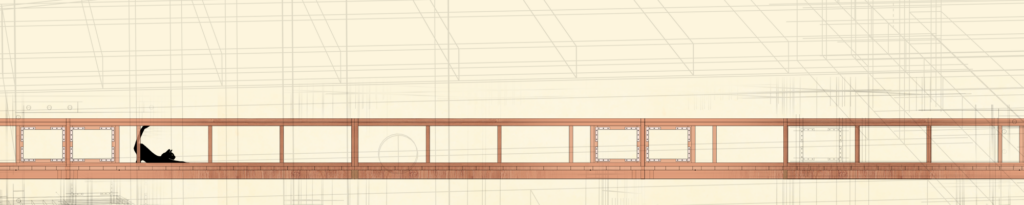
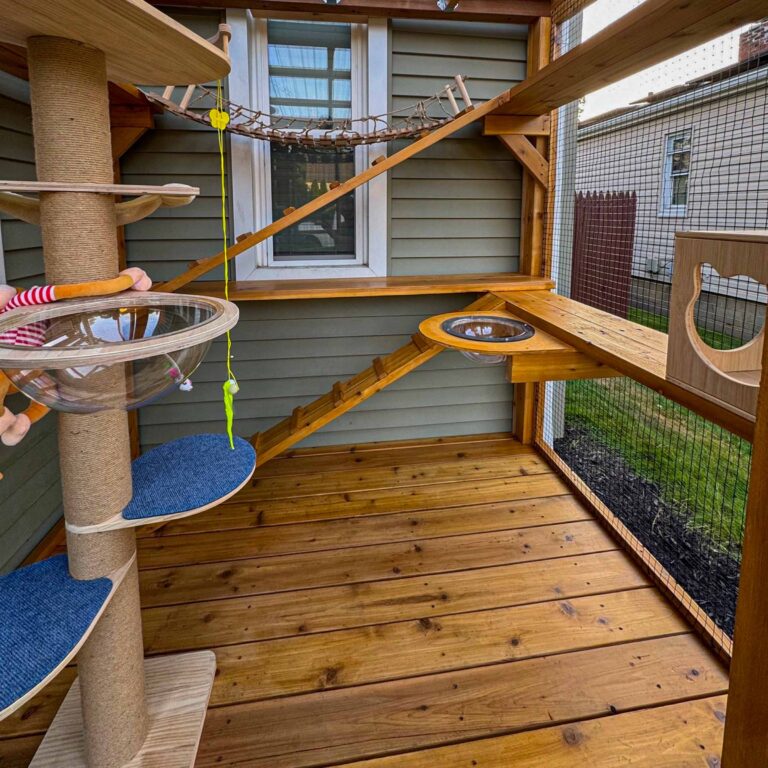
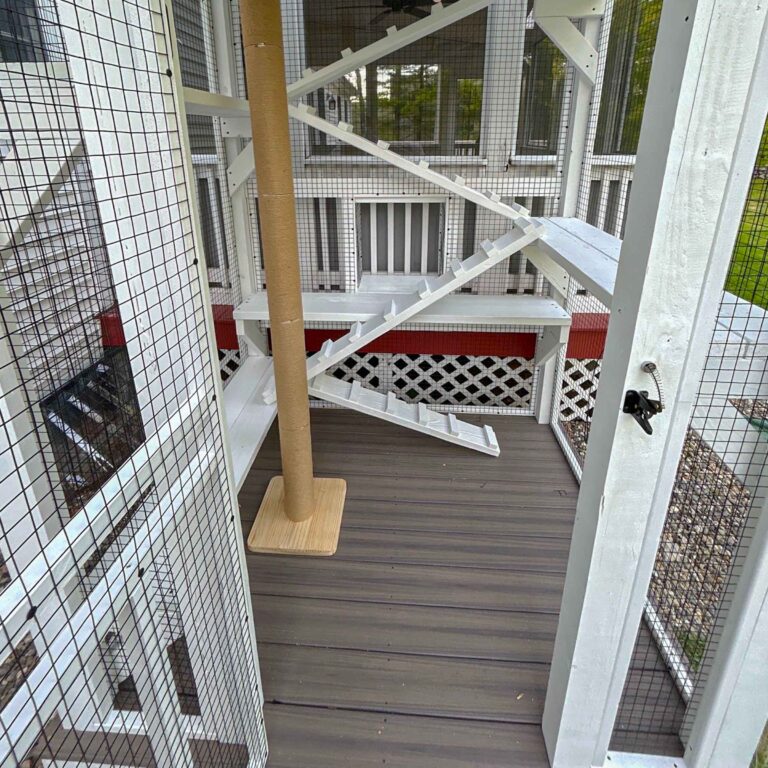
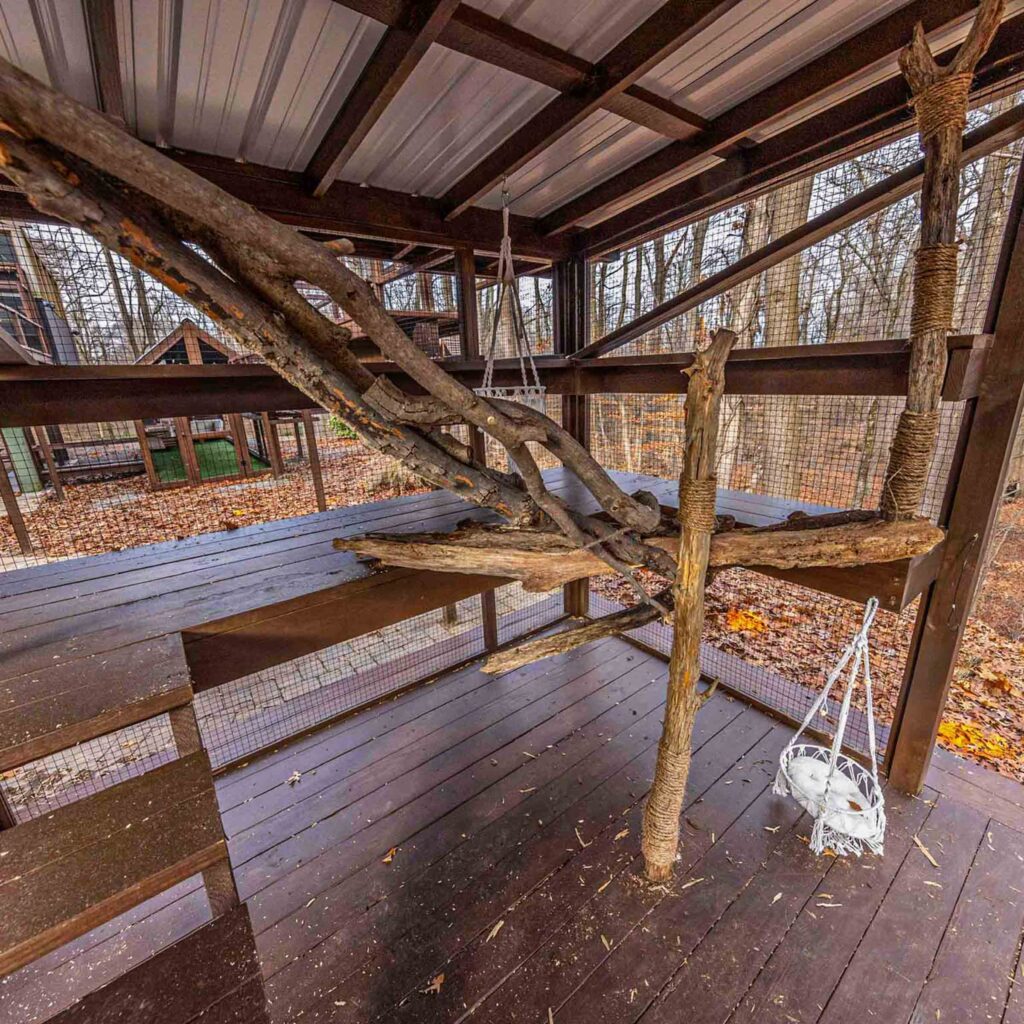
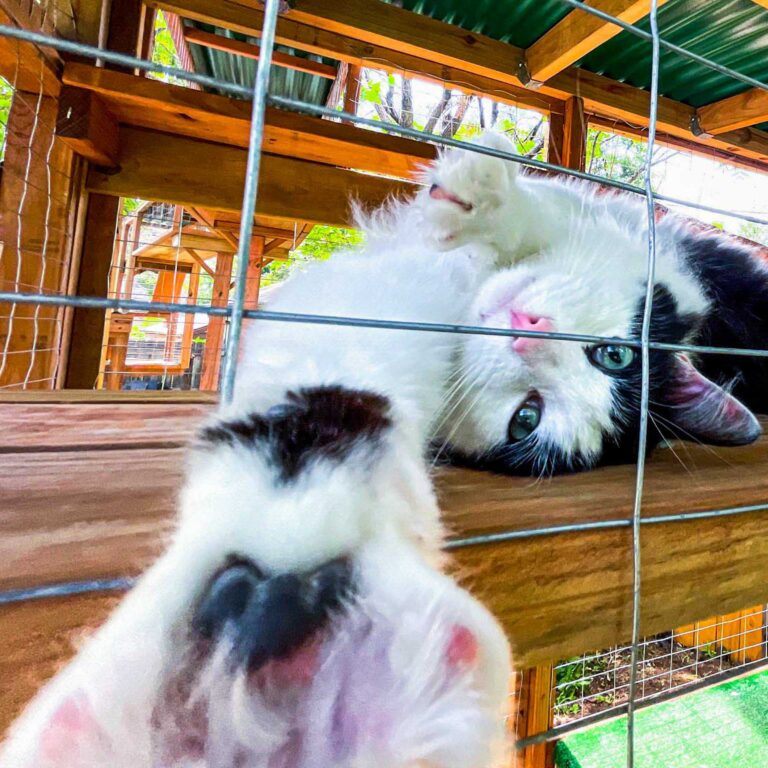
If you’re planning to build a catio for your feline companion, one thing matters above all else: safety. The materials you choose will determine not only how long your catio lasts, but also how well it protects your cat from predators, harsh weather, and the risk of escape.
This guide is all about helping you select the best, highest-quality materials to build a catio that’s secure, durable, and built to stand the test of time. From framing lumber to roofing, screens, flooring, and fasteners, every component plays a crucial role in keeping your cat safe while they enjoy the outdoors.
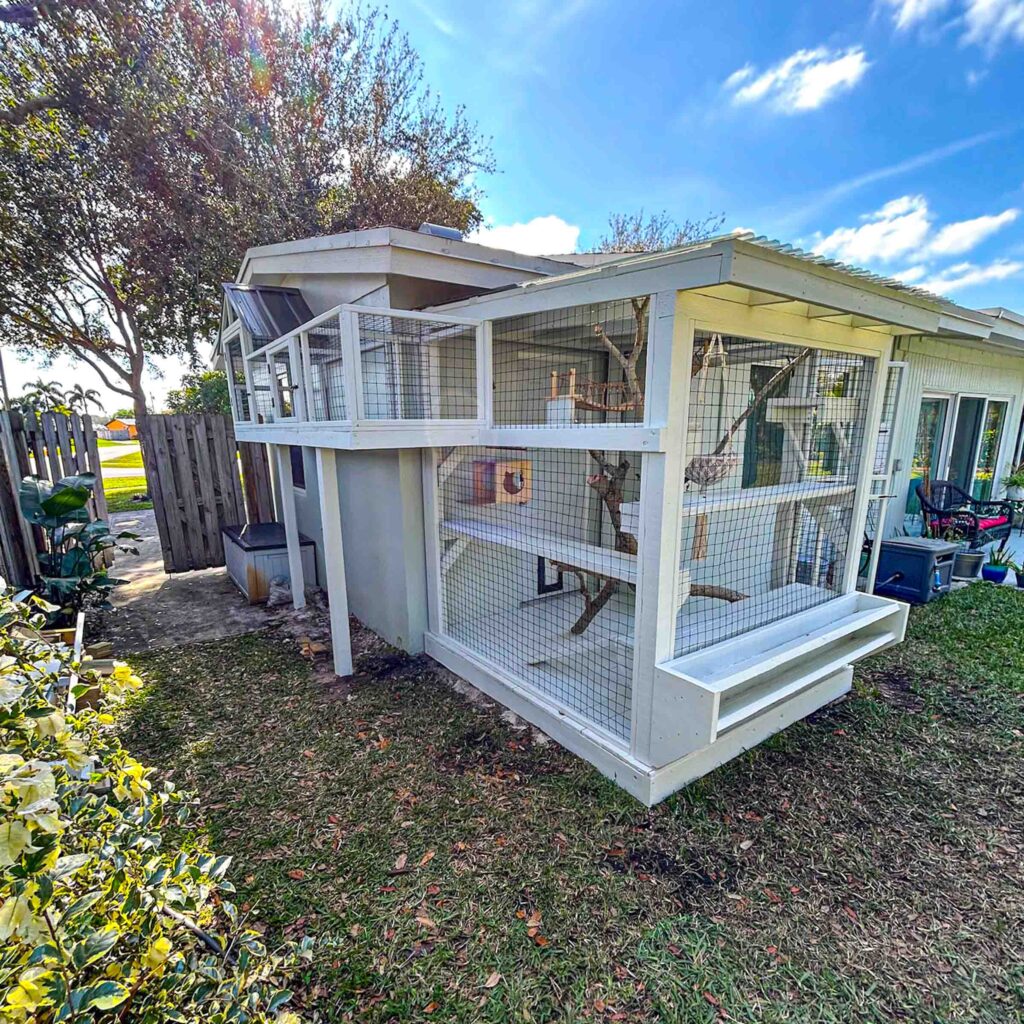
Whether you’re envisioning a cozy window box, a backyard tunnel, or a sprawling multi-level enclosure, choosing the right materials ensures your catio is more than just a play space, it’s a protected haven built with your cat’s well-being in mind.
The ideal catio should be:
Durable against the elements—rain, snow, sun, and wind
Safe from sharp edges, splinters, and weak spots that could lead to escapes
Aesthetically pleasing, especially if it’s attached to your home
Lets break down the best materials for roofing, lumber, flooring, screening, screws, and more to help you build a catio that’s secure, stylish, and built to last, so your cat can lounge like royalty for years to come.
1. Choosing the Right Lumber
When it comes to building a sturdy, weather-resistant, and safe catio, the type of lumber you choose plays a foundational role. Your wood needs to withstand the elements, resist pests, and hold up to years of outdoor wear, all while keeping your cat safe and your structure secure.
1.1 Pressure-Treated Wood
Pressure-treated wood is infused with preservatives that protect against rot, insects, and moisture damage. It’s a popular option for outdoor construction projects because it can handle the test of time and tough weather conditions.
Pros of pressure-treated wood:
Highly resistant to moisture and insects
Widely available and affordable
Ideal for ground-contact framing or areas exposed to water
Cons:
Often has a greenish hue that may not match aesthetic preferences
Must be allowed to dry before painting or staining
1.2 Cedar and Redwood
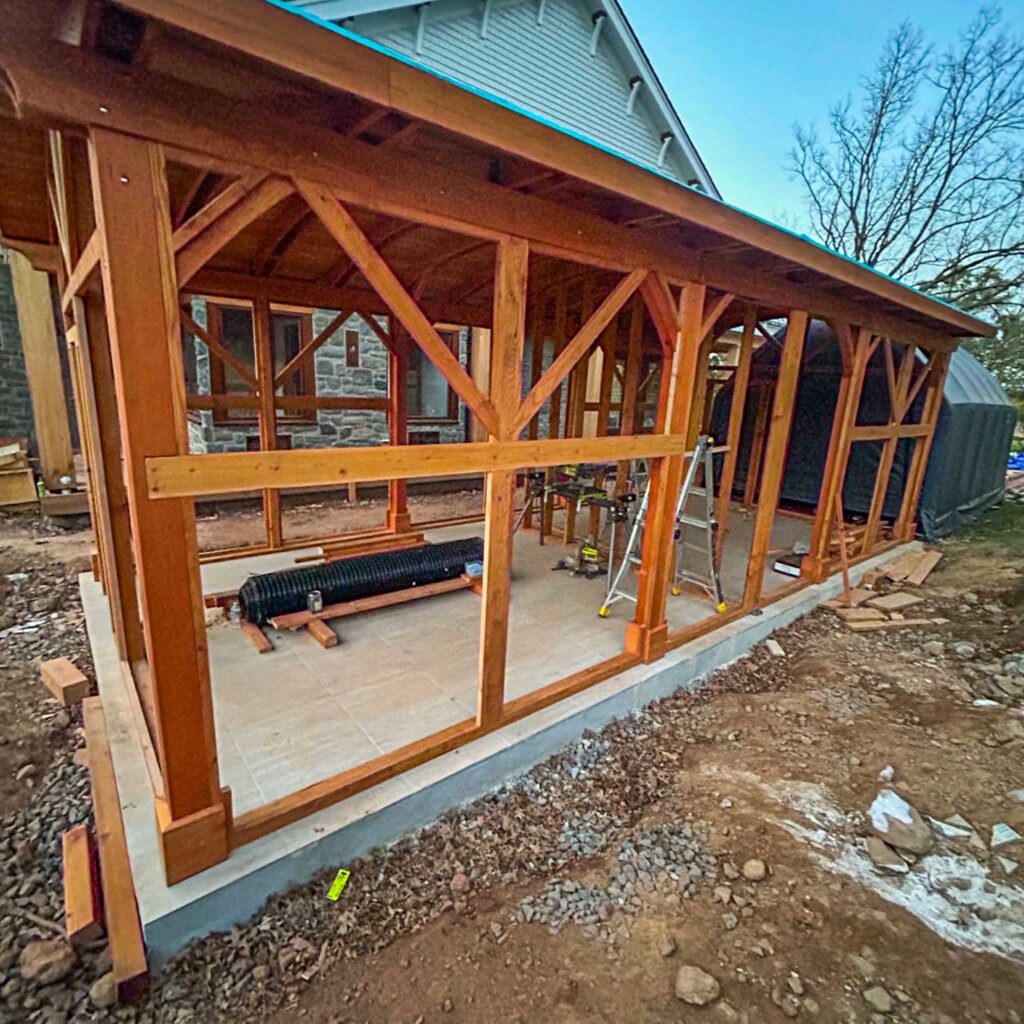
Cedar and redwood are premium choices for catio builders who value both aesthetics and longevity. These woods contain natural oils that deter pests and resist rot, making them naturally suited for outdoor use.
Benefits of cedar and redwood:
Naturally rot- and insect-resistant
Beautiful grain and coloring
Lighter in weight than pressure-treated lumber
Minimal chemical treatment required
Appearance and Longevity:
Cedar’s rich, warm tone and aromatic qualities make it especially popular for residential projects. Redwood offers a similarly beautiful finish with a slightly longer lifespan, especially in harsh climates. Both can last 10–20+ years with basic maintenance, especially when sealed or stained.
While more expensive, these woods are ideal for catios that are visible from your home or garden and meant to be a long-term investment.
1.3 Best Practices for Framing
A strong catio starts with solid framing. Regardless of the type of wood you choose, using the correct dimensions and construction methods will ensure your structure is safe and long-lasting.
Recommended Sizes for Stability:
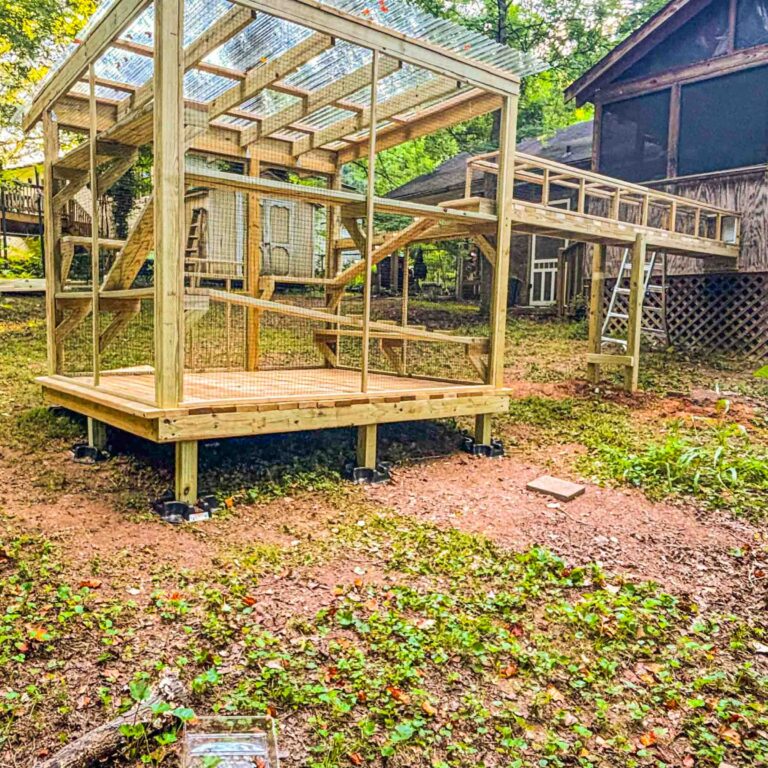
Use 2×4 lumber for most framing, strong enough for walls, platforms, and roof supports
Consider 4×4 posts for vertical corner supports, especially in freestanding catios or multi-level builds
When to Use Thicker Cuts of Wood:
Use 2×6 or larger beams for roof joists if the catio will support heavy roofing like corrugated metal or polycarbonate panels
In snow-prone areas, thicker framing adds strength and prevents sagging or collapse under weight
Pro Tip: Always use exterior-rated wood screws or brackets to assemble the frame, and pre-drill holes to avoid splitting. Also, elevate the base framing slightly above the ground to prevent moisture absorption and prolong wood life.
2. Durable and Safe Screening Options
The screening is one of the most critical elements of any catio. It’s what separates your cat from the outside world while allowing for full enjoyment of the sights, smells, and sounds of nature. Choosing the right screening material ensures your cat stays secure and your catio stands up to years of outdoor exposure.
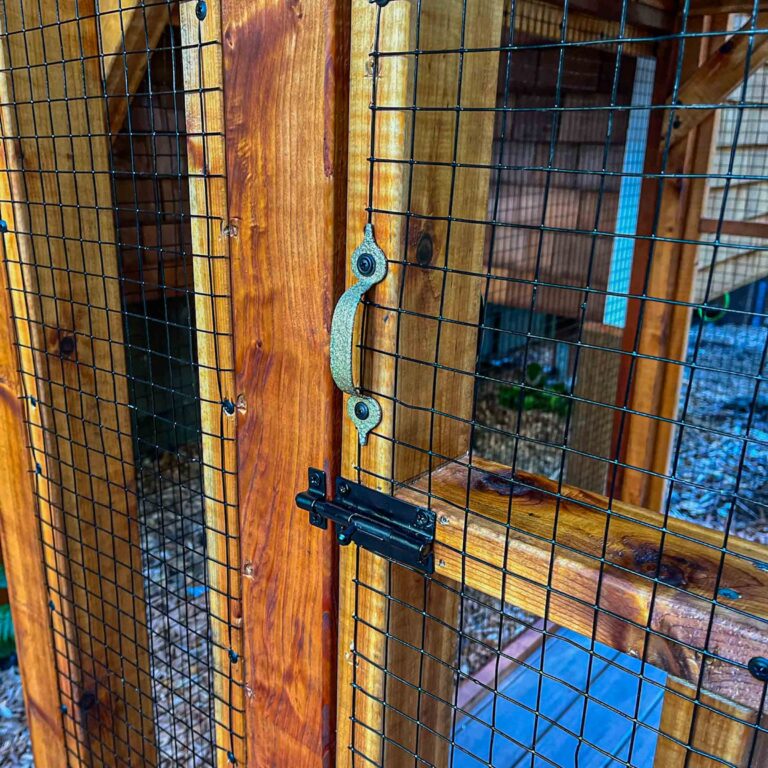
2.1 Black PVC Coated Galvanized Welded Wire
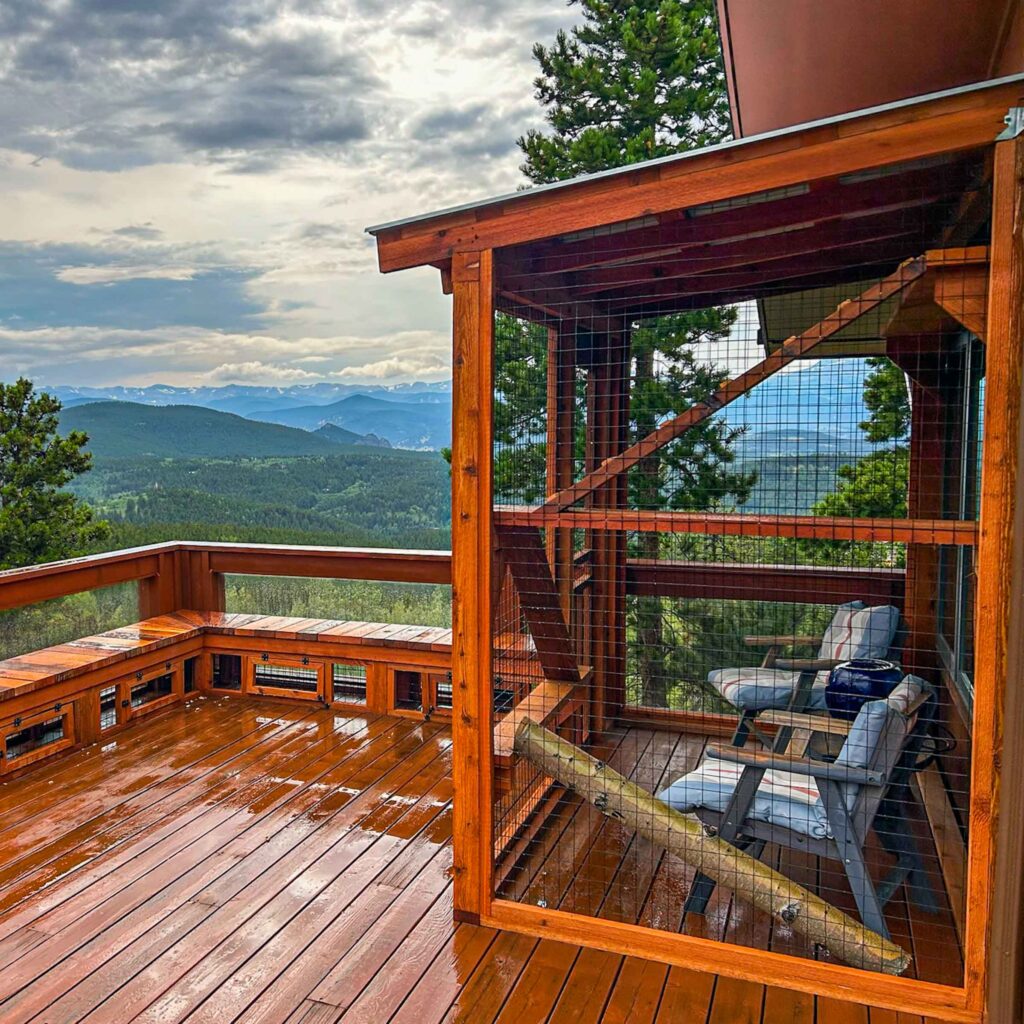
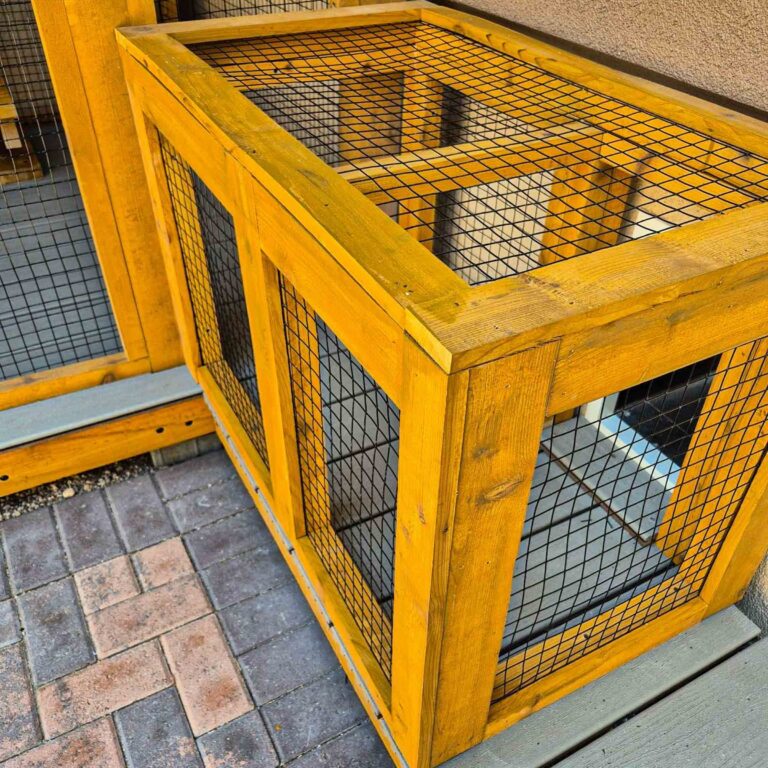
Black PVC-coated galvanized welded wire is considered the gold standard when it comes to catio screening, and for good reason. This material starts with strong steel wire welded at each intersection, then coated in zinc for rust resistance, and finally finished with a sleek layer of black PVC. The result is a screen that’s not only durable and safe but also visually appealing. It is what we use on our builds here at Cat Topia due to aesthetic appeal and safety!
Strength and Chew Resistance:
This triple-coated wire is built to last. It’s tough enough to resist chewing, scratching, and climbing, making it ideal for even the most adventurous or determined cats. It also offers excellent protection against larger predators and unwanted wildlife.
Ideal Gauge Sizes and Spacing:
Opt for 16- to 19-gauge wire for a balance of strength and visibility
1-inch x 1-inch grid spacing is ideal—small enough to keep out rodents and prevent cats from squeezing paws through the openings
Beyond its durability, the black PVC coating blends beautifully into outdoor surroundings, offering a clean, low-visibility look that doesn’t distract from your home or landscape. It’s a perfect choice for main catio walls, roofs, tunnels, and multi-cat enclosures where both safety and aesthetics are a priority.
2.2 Pet-Grade Insect Screen
Pet-grade insect screen is a softer, more flexible option designed to keep bugs out while holding up better than standard window screen material.
Softer Materials for Enclosed Patios: It’s made from vinyl-coated polyester mesh, which makes it significantly stronger than traditional fiberglass screen yet still smooth to the touch, perfect for cats who lean, paw, or rub against the enclosure.
UV and Tear Resistance:
Tear resistance that’s 7–10x stronger than regular mesh
UV protection to resist fading and breakdown from sun exposure
This material is best used in enclosed porches, balconies, or window box catios where large predator exposure is minimal and airflow and insect control are priorities. It can also be layered inside wood framing as a secondary screen.
2.3 Stainless Steel Mesh
For cat parents looking for the highest level of durability and rust resistance, stainless steel mesh is a premium alternative.
Premium Option for Rust Resistance: Unlike galvanized mesh, stainless steel will not rust, even in salty coastal air or extremely wet environments. It’s virtually maintenance-free and incredibly strong, making it ideal for long-term builds.
When to Choose Stainless Over Galvanized:
If your catio is in a coastal or high-humidity environment
For catios that require maximum predator protection
When aesthetics matter, stainless mesh has a sleek, high-end finish
In luxury or permanent installations where longevity justifies the cost
While it’s the most expensive screening option, stainless steel mesh is a long-term investment in both security and peace of mind.
3. Smart Roofing Choices
A well-built roof isn’t just a finishing touch, it’s one of the most important components of a safe and functional catio. Whether you’re dealing with blazing sun, heavy rain, snow, or high winds, the roofing material you choose will directly impact your catio’s durability, weather resistance, and overall comfort.
The best catio roofing options offer a balance of UV protection, ventilation, and waterproofing, all while complementing your home’s design. Materials like polycarbonate panels and corrugated metal are especially popular for their long-term performance and minimal maintenance.
3.1 Polycarbonate Roof Panels
Polycarbonate panels are a top choice for catio builders who want durable, lightweight, and versatile roofing. These thermoplastic sheets are engineered to withstand harsh weather while allowing light to pass through, making them perfect for catios that need shelter without sacrificing brightness.
UV Protection and Weatherproofing:
Polycarbonate is naturally UV-resistant, helping to block 99% of harmful UV rays while still letting in plenty of light
It’s virtually unbreakable, highly impact-resistant, and performs well in heavy rain, wind, and snow
Excellent for year-round use, especially in climates with frequent storms or intense sun
Transparent vs. Tinted Options:
Clear panels allow full sunlight, great for sun-loving cats and shaded backyards
Tinted or frosted panels reduce glare and heat buildup, ideal for exposed areas or warmer climates
Both options are available in flat or corrugated profiles to match your framing and visual preferences
Installation is simple with the right supports, and the result is a clean, modern look that gives your cat a dry place to perch while keeping the structure bright and inviting.
3.2 Corrugated Metal Roofing
If you’re looking for a heavy-duty, low-maintenance roofing option, corrugated metal panels offer unbeatable strength and protection.
Heavy-Duty Protection:
Built to withstand extreme weather, including hail, snow, and high winds
Typically lasts 20–50 years with minimal upkeep
Insulation and Noise Considerations:
Metal roofs can amplify rain or hail sounds, which may spook some cats
Consider adding a layer of roofing felt, plywood sheathing, or insulation beneath the panels to reduce noise and heat transfer
You can also line the interior with fabric, acoustic panels, or wood slats for a more finished appearance
Corrugated metal is especially well-suited for freestanding or permanent backyard catios, and it can easily be paired with rustic or modern framing designs. It’s also a great choice if you want your catio to match an existing shed or metal-roofed home.
4. Best Flooring Materials for Comfort and Cleanliness
The flooring of your catio plays a crucial role in its overall functionality, cleanliness, and cat-friendliness. A good floor not only supports the structure but also gives your cat a comfortable, safe place to explore, lounge, and play. Depending on your climate, yard conditions, and design preferences, there are several smart flooring materials to consider.
4.1 Pressure-Treated Decking
Pressure-treated wood decking is a classic, cost-effective option that provides strength, elevation, and good drainage for outdoor catios.
Drainage and Longevity:
Slightly spaced decking boards allow rainwater to pass through, preventing puddling and reducing rot risk
Pressure-treated lumber is resistant to moisture and insects, making it ideal for ground-level or raised structures
Sanding and Sealing Tips:
Always sand the surface to smooth out splinters and sharp edges, cats love to lounge and roll on flat surfaces
Apply a pet-safe exterior wood sealant to help preserve the wood and reduce absorption of urine or spills
Inspect annually and re-seal as needed to extend its lifespan and maintain cleanliness
4.2 Composite Deck Boards
Composite decking is a modern alternative made from a mix of recycled plastics and wood fibers. It mimics the look of natural wood but is more durable and requires far less upkeep.
Eco-Friendly and Low Maintenance:
Made from sustainable or recycled materials
Doesn’t require staining, painting, or sealing
Won’t rot, warp, or splinter over time
Scratch Resistance for Cat Claws:
Composite boards hold up well to scratching and clawing’
Choose a textured or grooved surface for added grip and slip resistance
4.3 Concrete Pads or Pavers
Concrete flooring or paver stones are excellent for catios that are built directly on the ground. They provide a flat, durable surface that’s resistant to moisture, pests, and digging.
Easy to Clean:
Simple to hose down or sweep
Doesn’t absorb odors
Works well for litter boxes or feeding stations
Cool in Warm Weather:
Concrete naturally stays cooler in summer
Can be covered with outdoor rugs or mats for added comfort and warmth in cooler months
4.4 Turf, Gravel, and Natural Grass Areas
If your catio is large enough to mimic the outdoors, natural flooring elements like turf, gravel, or grass can give your cat a more sensory-rich environment.
Ideal for Cats Who Love to Dig:
Some cats love to dig, roll, or nap in soft grass or mulch
Artificial turf provides the look and feel of grass without the upkeep
Drainage and Hygiene Advice:
Install proper landscaping fabric and gravel layers beneath turf or grass for drainage
Artificial turf should be non-toxic and antimicrobial for easy cleanup
For gravel, use pea gravel or smooth river stones to avoid sharp edges
Flea Risk Consideration:
While natural materials provide stimulation, they also come with higher exposure to fleas, especially in humid or wooded environments. To reduce flea risk, consider building your catio on a raised, sealed platform, such as decking, pavers, or tile, instead of placing it directly on natural ground.
Raised floors with good airflow, limited vegetation contact, and physical separation from soil help minimize fleas, moisture buildup, and unwanted pests.
5. Hardware: Screws, Hinges, and Fasteners
While lumber and screening may get the spotlight in catio construction, the hardware that holds everything together is just as important. Choosing the right screws, hinges, latches, and brackets ensures your catio remains secure, durable, and weather-resistant, especially when exposed to the elements year-round.
5.1 Weather-Resistant Screws
Screws are the backbone of your catio’s frame. Using the wrong type can lead to rust, structural weakening, and even joint failure over time.
Galvanized vs. Stainless Steel:
Galvanized screws are coated in zinc to resist corrosion. They’re cost-effective and work well in most climates, especially when used in pressure-treated wood.
Stainless steel screws offer superior rust resistance, perfect for humid, rainy, or coastal environments. They’re slightly more expensive but extremely durable, even after years of exposure.
Pro Tip:
Avoid standard drywall or interior screws, as they’ll rust quickly and compromise the safety of your build. For added strength, opt for deck screws with self-tapping threads that prevent wood from splitting.
5.2 Heavy-Duty Hinges and Latches
Your catio’s access points, doors, hatches, and removable panels, must be both secure and user-friendly. Cats are curious escape artists, and you’ll want hardware that keeps them in and potential intruders out.
Safety-First Entry Options:
Use heavy-duty gate or shed hinges for doors that swing open smoothly and stay aligned over time.
Install self-closing hinges or spring-loaded options if you’re worried about doors being left open.
Anti-Rust Coating Importance:
Choose hardware with powder-coated or zinc-plated finishes to prevent rust and seizing
For higher-end builds or wet climates, go with marine-grade stainless steel for hinges and latches
5.3 Anchors and Brackets
Anchoring your catio properly is essential for stability in high winds, storms, or snowy conditions. Even the strongest frame can shift or collapse without proper support.
Reinforcement Tips for Wind or Snow Load:
Use corner brackets, angle braces, and post anchors to strengthen joints, especially in freestanding catios
Secure the base with ground anchors or concrete screws if you’re building on dirt, turf, or concrete pads
For larger roofs, use joist hangers or hurricane ties to keep roof framing secure and minimize movement from wind gusts
6. Additional Catio Material Tips
Once the frame, screen, roof, and floor are in place, it’s time to focus on finishing touches that boost safety, comfort, and longevity. These often-overlooked materials, like paints, sealants, and trim, can make a big difference in the performance and appearance of your catio. And don’t forget the accessories that turn a catio from a structure into a sanctuary.
6.1 Paints and Sealants
To protect your catio from the elements and keep it looking its best, you’ll want to treat any exposed wood with paint or sealant. But when cats are involved, safety is the top priority.
Pet-Safe, Non-Toxic Choices:
Choose low-VOC or zero-VOC paints and sealers that are labeled non-toxic and safe for animals
Water-based products are usually the safest, but always check the label or consult the manufacturer
Weather Resistance:
For outdoor applications, use exterior-grade paints or sealants that offer UV protection and are mold- and mildew-resistant
Seal all cut edges, especially on decking and framing, to prevent water infiltration and rot
6.2 Weather Stripping and Trim
Small gaps in your catio may seem harmless, but over time they can invite moisture, insects, and chilly drafts, especially in three- or four-season builds.
For Sealing Gaps and Edges:
Apply weather stripping around doors and window openings to reduce airflow and block pests
Use silicone caulk to fill small cracks or seams between materials
Keeping Bugs and Water Out:
Install drip edge trim or flashing where roofing meets the structure to redirect rainwater
Use corner and edge trim not just for appearance, but also to prevent splintering and warping over time
6.3 Optional Accessories
Now comes the fun part, turning your catio into a feline paradise! Accessories not only enrich your cat’s environment but also make the space more functional.
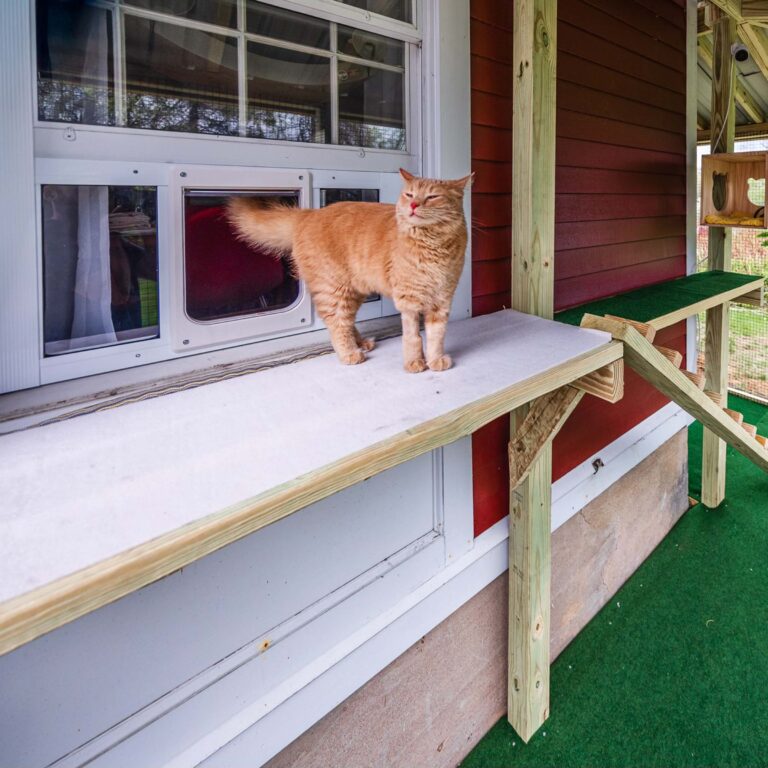
Shelves, Ramps, Hammocks:
Shelves offer vertical territory—use 2×10 boards, securely supported with brackets
Ramps help senior cats or kittens climb, carpet or textured decking adds grip
Hammocks and perches give cats soft places to nap and watch birds
Material Tips for Accessories:
Use exterior-grade plywood or cedar for accessories that will be exposed to moisture
Canvas, mesh, or weatherproof fabrics work well for hammocks and can be removed for washing
All accessories should be secured tightly, cats love to leap and climb, so wobbling or weak fasteners are a no-go
Conclusion
Building a catio is one of the most rewarding investments you can make for your feline friend, and using the right materials makes all the difference. From durable cedar framing and chew-proof galvanized wire, to weatherproof polycarbonate roofs and pet-safe sealants, every component you choose plays a vital role in your catio’s safety, longevity, and overall appeal.
While there’s no one-size-fits-all formula, the best catio materials are those that:
Stand up to your local climate, rain, snow, heat, or coastal air
Provide maximum safety and comfort for your cat
Complement your home’s style and your outdoor space
As you plan your build, consider your cat’s unique behavior—do they love to climb, nap in the sun, or dig in the dirt? And tailor the materials and layout accordingly. Also factor in your yard setup and maintenance goals: for example, choose composite decking for a low-maintenance space, or stainless steel mesh for long-lasting rust resistance in wet regions.
In the end, a thoughtfully built catio is more than just a structure, it’s a sanctuary that gives your cat the freedom to enjoy the outdoors safely while giving you peace of mind. With the right materials, your catio will not only stand the test of time, it’ll be a space your cat loves for years to come.
Ready to Start Your Catio Project?
We specialize in fully custom catio designs built with the highest-quality materials—because your cat deserves nothing less.