
Which Type of Catio is Best for Your Cat and Home?
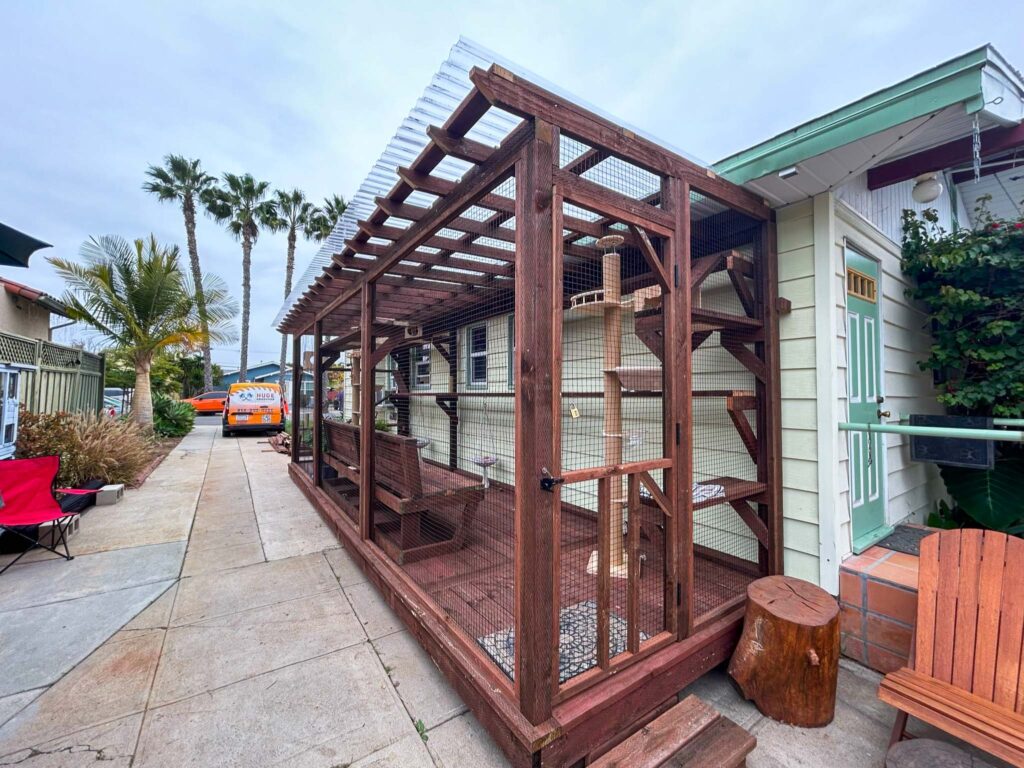
A catio is a secure outdoor enclosure that allows cats to enjoy fresh air, sunlight, and stimulation while staying safely contained. While the concept is simple, choosing the right type of catio is not, because there are many different types designed to suit different homes, cats, and lifestyles.
The best catio for your cat depends on several factors, including the space you have available, your budget, how your cat moves and behaves, how many cats you’re designing for, and how the enclosure connects to your home. Some catios are compact and attach to a window, while others are larger, freestanding structures designed for multiple cats or long-term use. Accessibility, and future expansion also play a role in determining the best option.
Below, you’ll find a breakdown of the most common types of catios, along with practical comparisons and real-world considerations to help you choose a design that works for both your cat and your home, without relying on one-size-fits-all solutions.
Different Types of Catios You Can Choose From
The main difference between catio types comes down to structure, how the enclosure is built and how it connects to your home. This structural choice influences how large the catio can be, how it’s laid out, and which designs work best for your cat and available space.
Window Catios
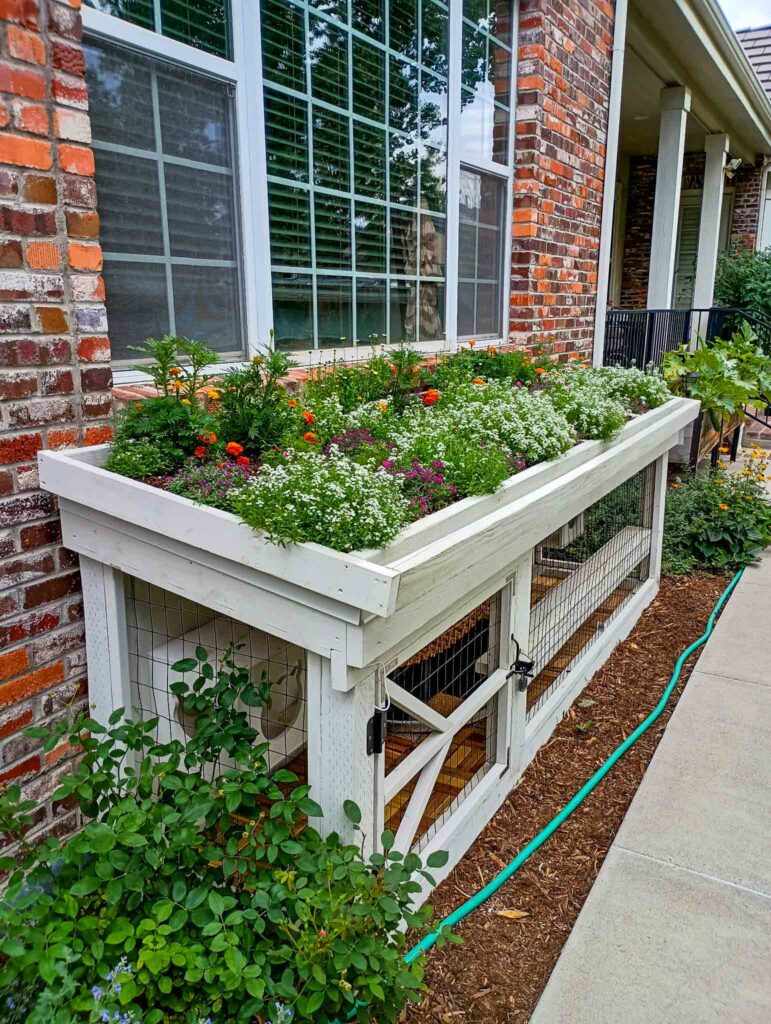
A window catio is a compact outdoor enclosure that attaches directly to a window, allowing cats to safely experience the outdoors without requiring yard space. Because these catios extend outward from the home, they are typically smaller in size and designed to work within tight spatial constraints, especially in multi-story or urban environments.
Window catios are best suited for households with limited outdoor space or no backyard access, such as apartments, condos, or urban homes. They are also a practical solution for elevated windows where building a ground-level enclosure would be difficult or impossible. Because window catios are smaller by nature, they work best for families with one cat or for cats with lower activity levels. For many households, a window catio provides a simple way to give a cat fresh air, sunlight, and a safe place to watch birds, people, and the world outside without leaving the home.
Pros of window catios
- Typically more affordable due to their smaller size
- Ideal for homes with limited space or no yard
- Works well for apartments, condos, and urban living
- Can be built as freestanding structures on ground floors using support posts
Cons of window catios
- Limited space compared to larger catio types
- Fewer enrichment options due to size constraints
- Often permanently attached to the home, requiring drilling or structural modifications
- Less suitable for multi-cat households without adding multiple enclosures
Enclosed Patios
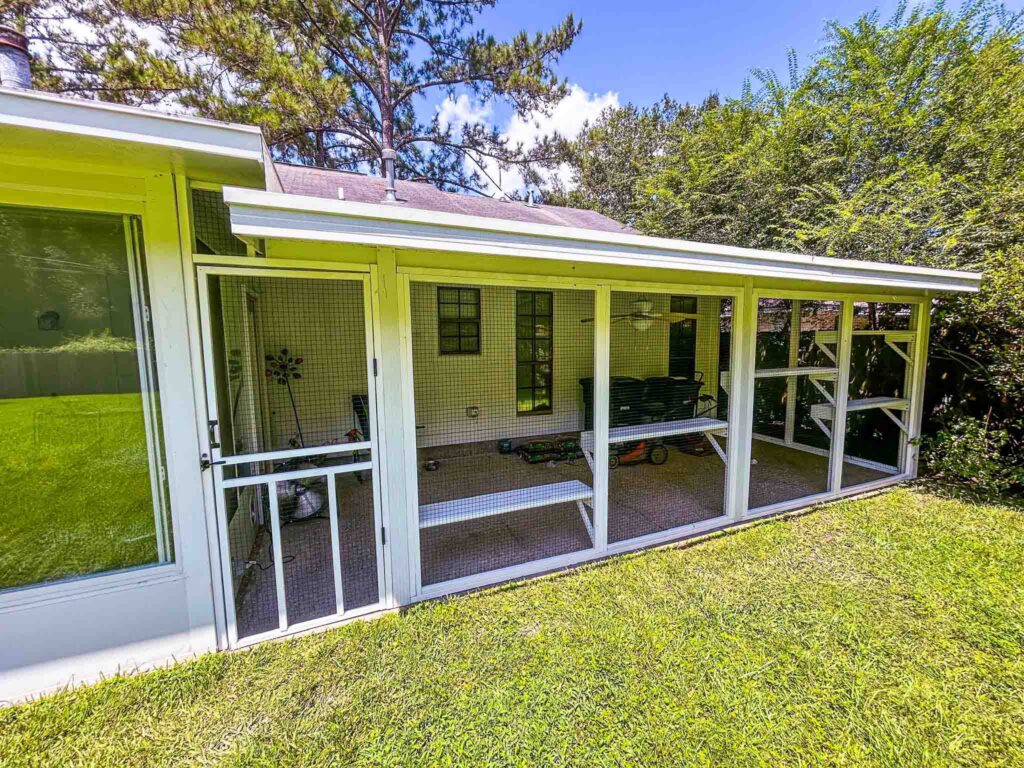
An enclosed patio catio is created by enclosing an existing deck, patio, or ground-level outdoor space and converting it into a secure enclosure designed for cats. Rather than building a separate structure, this approach transforms a pre-existing area into a protected environment by adding enclosure materials and cat-focused features.
Enclosed patio catios are best suited for homeowners who already have a deck or patio and want to maximize that space for both cats and people. Because these areas typically offer more square footage than window catios, they work well for households with one or more cats that need room to move, lounge, and explore. This type of catio is also ideal for families who want a shared outdoor space, one that allows cats to enjoy the outdoors safely while still functioning as a comfortable, usable area for humans.
Pros of enclosed patio catios
- Converts an existing deck or patio into a secure cat-friendly space
- Provides significantly more room for enrichment features
- Supports shelving, climbing elements, lounging areas, and walkways
- Works well for multi-cat households due to increased space
- Creates a shared outdoor environment for both cats and people
- Blends naturally with the home’s existing structure and layout
Cons of enclosed patio catios
- Typically permanent structures that require drilling into existing decks or patios
- More complex builds, which can increase overall cost
- Dependent on the condition and layout of the existing structure
- Less flexible to relocate or remove compared to smaller catio types
- May require additional planning to meet local codes or HOA guidelines
Freestanding Catios
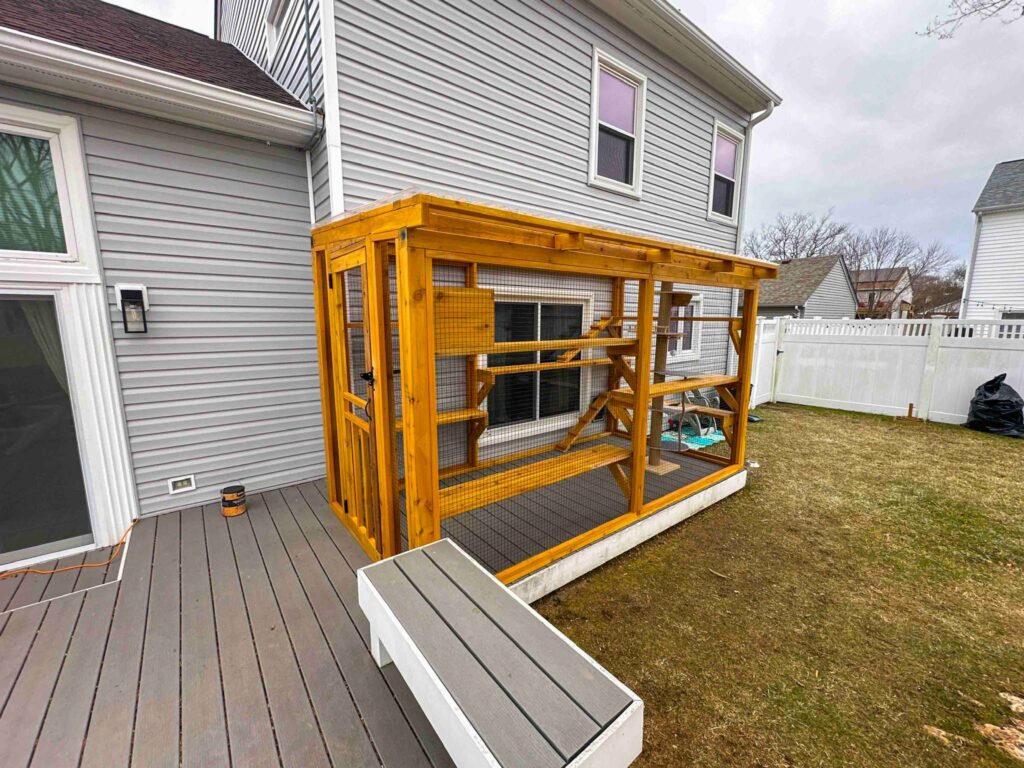
A freestanding catio is an independent outdoor enclosure placed directly in a yard, separate from the home or any existing structure. However, these types of structures can also be placed against a home’s window or door for ease of access without needing to be drilled into the home’s structure. Because it isn’t attached to walls, windows, or decks, this type of catio offers the greatest flexibility in size, layout, and overall design.
Freestanding catios are best suited for homeowners with available outdoor space who want a highly customizable solution for their cats. They work especially well for multi-cat households, active cats, or families looking to create a larger, more immersive outdoor environment. Since these catios can be placed anywhere on the property, they’re also a good option for homeowners who want flexibility without modifying their home’s structure.
Pros of freestanding catios
- Can be built as small or as large as needed, making them the most customizable option
- Not permanently attached to the home or existing structures
- Typically HOA-friendly due to their non-permanent nature
- Often do not require permits, depending on local regulations
- Can be placed anywhere on the property for optimal layout and sun exposure
- Ideal for multi-cat households and complex, zoned designs
Cons of freestanding backyard catios
- Can be more expensive depending on size, materials, and design complexity
- May require a tunnel connection for convenient access if placed away from the home
- Requires sufficient yard space to be practical
Tunnel-Connected Catios
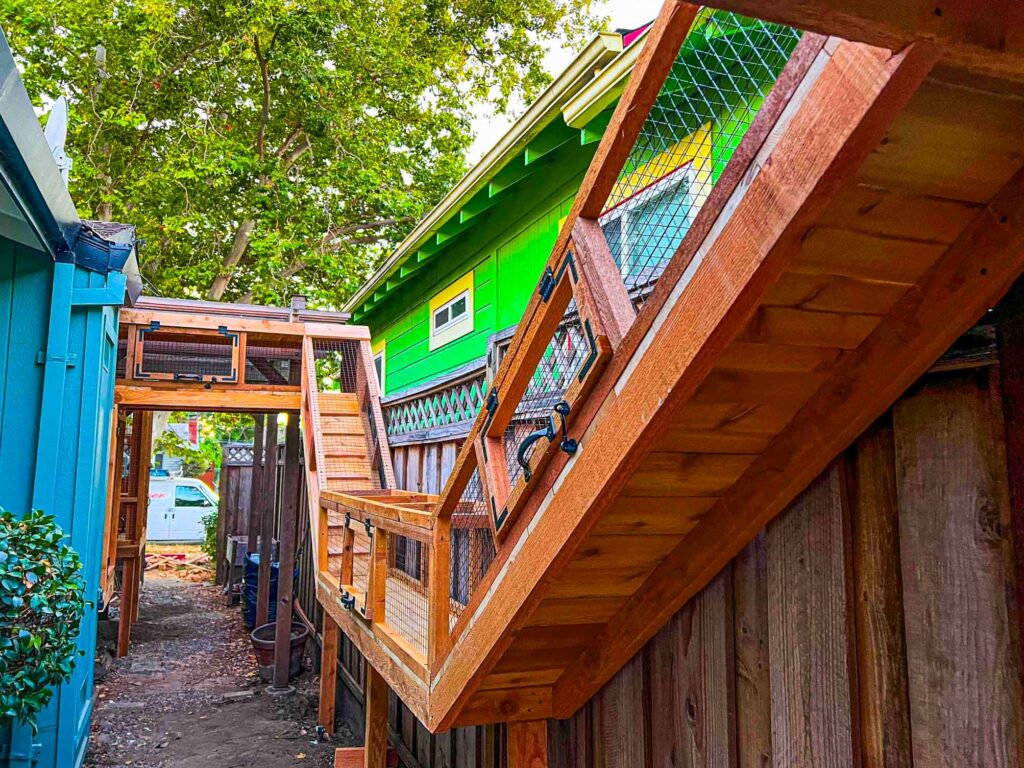
A tunnel-connected catio uses enclosed pathways to connect windows, doors, or multiple catio enclosures, allowing cats to move safely between spaces. Rather than functioning as a single enclosure, this type of setup creates a connected system that can extend outdoor access beyond the immediate footprint of the home.
Tunnel-connected catios are best suited for homes where space near the house is limited but additional yard space is available farther out. They’re also ideal for homeowners who want to start with a smaller catio and expand over time, or for cats that enjoy exploring interconnected spaces at their own pace. Because tunnels provide enclosed movement paths, this option works especially well for cats that prefer controlled, secure environments.
Pros of tunnel-connected catios
- Satisfies cats’ natural instincts to explore enclosed, tunnel-like spaces
- Allows cats to move freely between the home and catio on their own terms
- Makes outdoor access feel gradual and less intimidating for cautious cats
- Enables unique, custom layouts that connect multiple enclosures
- Expands usable space without requiring a larger structure near the home
Cons of tunnel-connected catios
- Tunnels can be expensive due to materials and installation complexity
- Requires careful planning to ensure proper placement and secure connections
- Longer tunnel systems can require more maintenance and inspection
- Not always practical for homes without a clear path between structures
Choosing the Right Type of Catio Based on Your Cat’s Needs
Most catio types can work for most cats, but how the catio is designed is where your cat’s specific needs truly come into play. Factors like age, energy level, mobility, and social behavior are best addressed through thoughtful design choices such as layout, height, access points, and enrichment features rather than the catio type alone.
That said, the type of catio you choose still matters at a high level. Catio type acts as a constraint framework, while design becomes the optimization layer:
- Catio type is primarily determined by: available space, budget, footprint, and where the enclosure can be built
- Catio design is where you address: your cat’s age, energy level, mobility, behavior, and daily habits
For example, a senior or low-energy cat may be perfectly content with a well-designed window catio that offers fresh air and visual stimulation, while a young, high-energy cat is more likely to benefit from a larger freestanding or tunnel-connected setup that allows for movement and exploration. Similarly, while a window catio can work for multiple cats, limited square footage often makes larger or expandable designs a better starting point for multi-cat households.
When choosing the type of catio, it’s important to balance practical constraints with your cat’s needs. Space and budget will often guide the type of catio that’s realistic, while design decisions ensure the enclosure is safe, comfortable, and enjoyable for your cat’s lifestyle, now and as those needs change over time.
Choosing the Right Catio for Your Climate
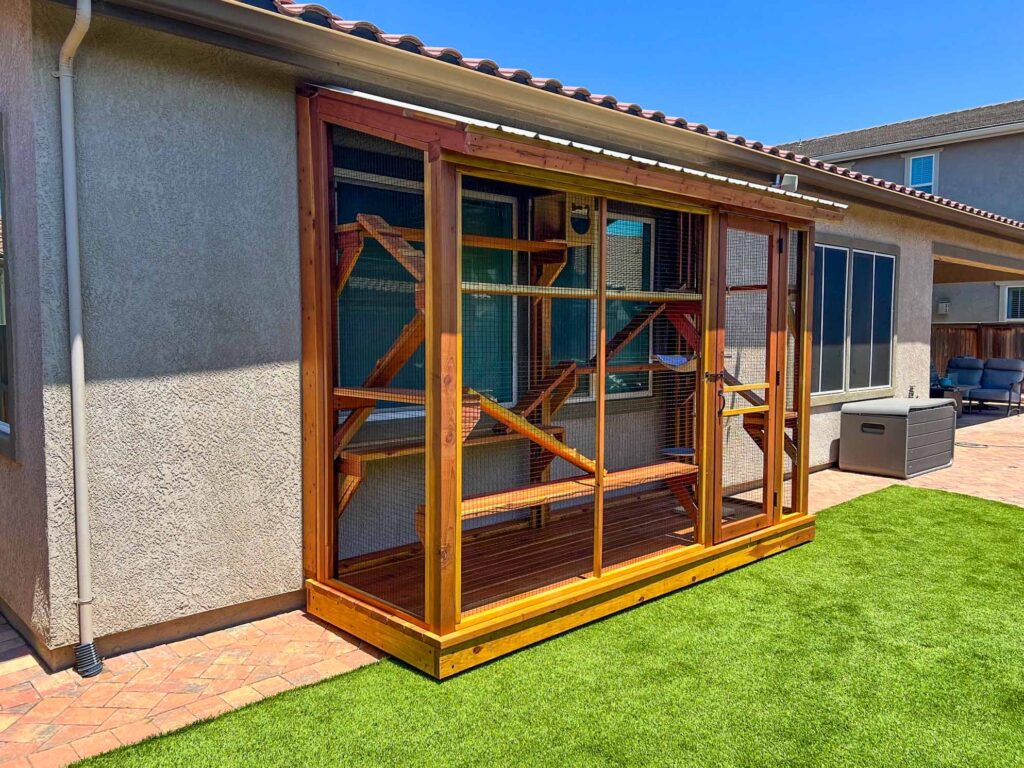
All catio types can work in any climate. There is no single “best” catio type for hot, cold, windy, or snowy conditions. The determining factor isn’t the type of catio you choose, it’s how that catio is designed for your specific environment.
Climate influences the design details of a catio, not the structure itself. Elements such as roof coverage, ventilation, wall placement, orientation, and material selection are what adapt a catio to local weather conditions. When these factors are planned correctly, window catios, deck-attached catios, freestanding catios, and tunnel-connected designs can all remain safe, comfortable, and durable regardless of climate.
When choosing a catio, climate should be considered as part of the overall design process rather than a limitation on which type you can build. With thoughtful planning, any catio type can be customized to perform well year-round in a wide range of weather conditions.
How to Choose the Right Type of Catio for Your Cat and Your Home
Choosing the right catio type for your home depends on how the enclosure will connect to your space and fit into your existing layout. Factors like available outdoor area, budget, access points, property restrictions, and long-term plans all influence which options make the most sense. By considering how a catio integrates with your home, you can narrow down designs that are both functional and easy to use day to day.
Consider Your Space
Assessing your available space is the first and most important step when choosing the right type of catio. The layout of your home, access points, and outdoor area will immediately narrow down which catio types are practical before you consider design details.
Different catio structures work best in different environments, depending on where and how they can be built.
In general, space considerations break down like this:
- Limited space or no yard: Window catios are often the most practical option for apartments, condos, and urban homes.
- Pre-existing deck, or patio: Enclosed patio catios provide more usable space while staying closely connected to the home.
- Yard or open outdoor area: Freestanding backyard catios offer the most flexibility in size, layout, and long-term use.
- Limited space near the home but yard space farther out: Tunnel-connected catios can link a small entry enclosure to a larger structure elsewhere on the property.
In addition to physical space, factors like walkways, landscaping, property lines, HOA rules, or local guidelines may influence placement. Evaluating these constraints early helps avoid designs that are impractical or restricted and makes it easier to focus on catio types that truly fit your home.
Assess Your Budget
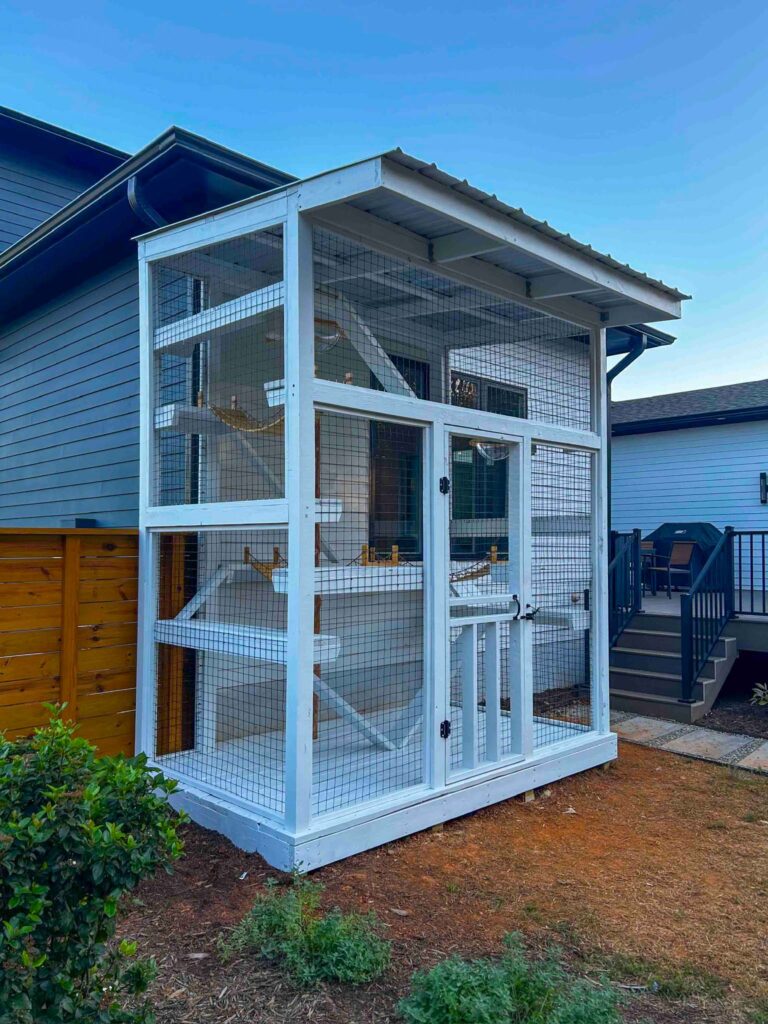
Your budget plays a major role in determining which type of catio is realistic. While design details can be adjusted, the overall structure, size, and complexity of a catio largely dictate cost, making budget an important early consideration.
At Cat Topia, our custom catio builds start at $8,000. Smaller, simpler builds—such as window catios or straightforward enclosed patios—are typically more budget-friendly, while larger freestanding catios, tunnel-connected systems, and multi-room designs require a higher investment due to increased materials, labor, and complexity.
In general:
- Window catios tend to be the most affordable option
- Freestanding tunnel-connected catios are more expensive, especially as size and layout expand
Understanding your budget upfront helps narrow down the type of catio that makes` sense financially, allowing design decisions to focus on maximizing value within a realistic range rather than scaling back later in the process.
Consider Your Long-Term Plans
Your future plans can influence which catio type makes the most sense. Adding more cats, expanding outdoor access, or moving to a new home are all factors worth considering before committing to a design.
Freestanding and tunnel-connected catios are easier to expand over time, while smaller or attached designs may be more limiting. If relocation is a possibility, non-permanent structures offer greater flexibility. Planning ahead helps ensure the catio you choose continues to work as your needs change.
Ready to Design the Perfect Catio for Your Cat?
Choosing the right catio type is the first step toward creating a safe, enriching outdoor space your cat will actually use. With the right design, a catio can be tailored to your home, your cat’s needs, and your long-term plans, without relying on one-size-fits-all solutions.
If you’re ready to explore a custom-built catio designed specifically for your space and your cat, a consultation can help turn those ideas into a clear plan. From layout and safety considerations to materials and expansion options, working with experienced builders ensures your catio is built to last and designed to fit your lifestyle. Reach out to start the conversation and take the next step toward a catio your cat can enjoy for years to come.