

Matthew Hildebrandt
Marketing Director
Orange Cat Behavior: The Science Behind the Stereotypes
Have you noticed your orange cat’s behavior? Let’s explore the common myths about energetic, expressive orange cats—and what science really says.
Written by Matthew Hildebrandt
Orange Cat Behavior: What Science Really Says About Their Traits
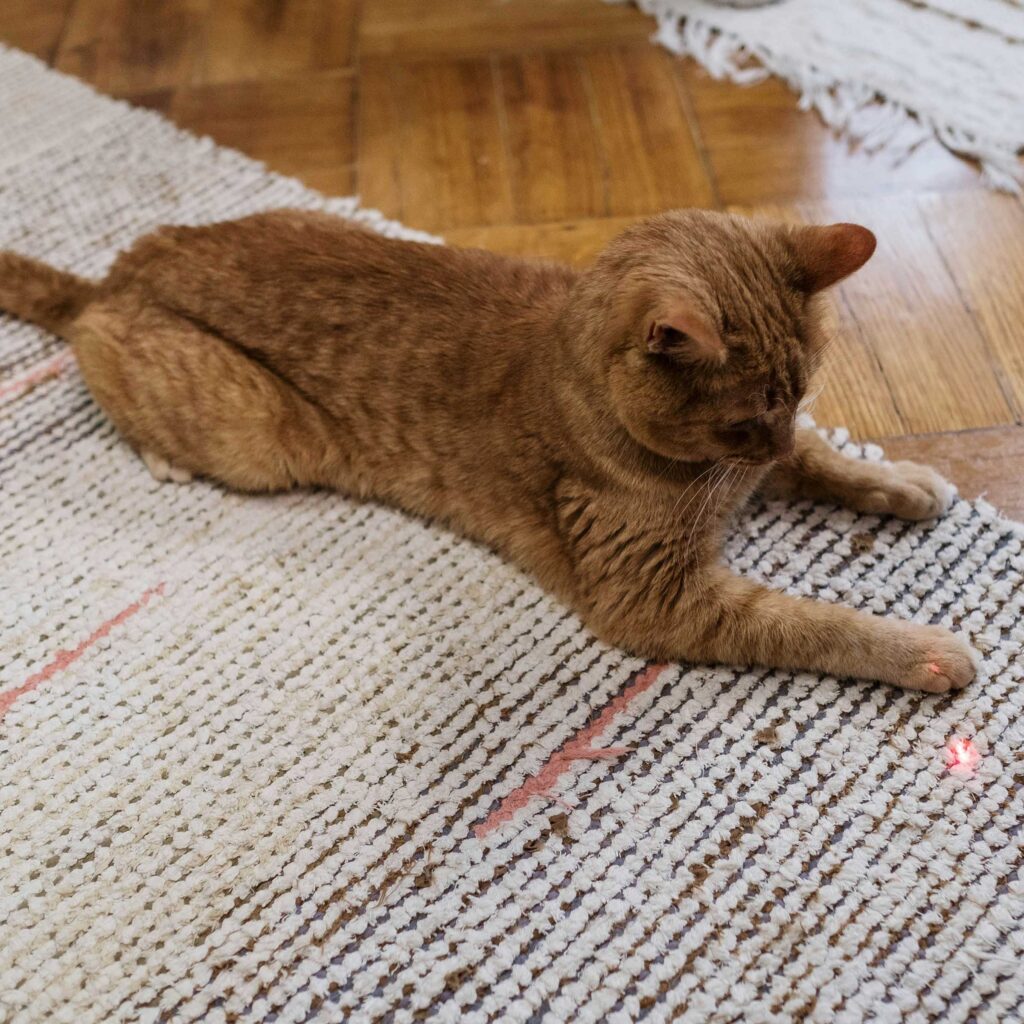
Orange cat behavior refers to the widely held belief that orange-colored cats display distinct personality and behavior patterns compared to other cats. While many owners describe orange cats as more social, vocal, or playful, scientific research shows that coat color itself does not directly determine behavior. Instead, the behaviors commonly associated with orange cats are influenced by a combination of genetics, sex distribution (since most orange cats are male), early socialization, environment, and human perception.
What “Orange Cat Behavior” Means
The term “orange cat behavior” is a popular phrase used to describe a collection of personality traits and behavioral patterns that people commonly associate with orange-colored cats. Rather than referring to a scientifically defined condition or temperament type, the phrase functions as a cultural shorthand, a way for cat owners to describe behaviors they notice repeatedly in orange cats and feel are distinctive compared to other cats.
The expression gained traction largely through social media and online communities, where videos, memes, and personal anecdotes showcase orange cats acting in exaggerated, expressive, or unpredictable ways. Platforms like Reddit, TikTok, Instagram, YouTube, and Facebook have played a major role in reinforcing the idea, often labeling playful chaos, dramatic reactions, or intense affection as “classic orange cat behavior.” Over time, the repetition of these stories has helped turn the phrase into a widely recognized concept among cat owners, even though it originated from observation rather than scientific classification.
When people use the term, they’re typically referring to a recognizable set of behaviors that appear frequently in anecdotal reports. These commonly associated behaviors include:
- High sociability, such as seeking human attention or following owners from room to room
- Increased vocalization, including frequent meowing, chirping, or “talking back”
- Bold or curious exploration, often involving climbing, jumping, or investigating new spaces
- Playful or high-energy behavior, including sudden bursts of activity or zoomies
- Strong food motivation, such as persistent begging or enthusiasm around mealtimes
It’s important to note that these behaviors are not exclusive to orange cats, nor do all orange cats display them. However, the consistency with which these traits are noticed—and shared—has helped solidify “orange cat behavior” as a recognizable idea. Understanding what the term actually means sets the foundation for separating perception from reality, which is essential for evaluating whether these behaviors are truly linked to coat color or shaped by other biological and environmental factors.
What the Science Says
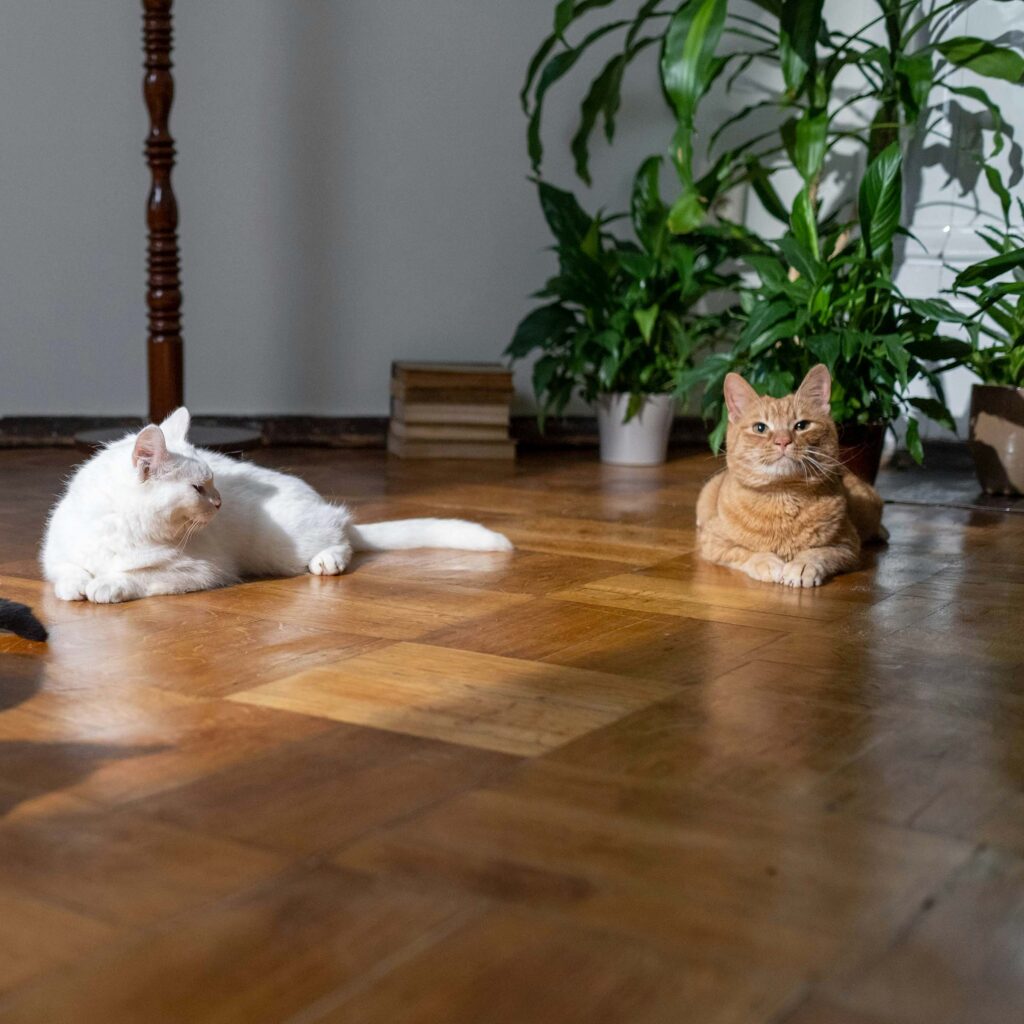
Scientific interest in the relationship between coat color and cat behavior has grown alongside the popularity of phrases like “orange cat behavior,” but research in this area remains limited and nuanced. Most studies that explore behavior and coat color rely on owner-reported surveys, which ask cat guardians to describe their cats’ personalities, habits, and temperaments. These surveys have occasionally found correlations between certain coat colors and perceived traits, such as friendliness or boldness, but correlation does not equal causation.
One major limitation of this research is subjectivity. Owners’ expectations, cultural stereotypes, and personal experiences can influence how behavior is interpreted and reported. For example, if someone already believes orange cats are more outgoing, they may be more likely to notice and remember sociable behaviors while overlooking quieter moments. Because of this bias, scientists caution against drawing firm conclusions that coat color directly causes specific behaviors.
Genetics and the X-Chromosome Connection
Where science does offer clear insight is in the genetics behind orange coat color. The gene responsible for orange coloring is located on the X chromosome. Male cats have one X chromosome, so inheriting a single copy of the orange gene results in an orange coat. Female cats have two X chromosomes and must inherit the gene on both to be fully orange, which is far less common. As a result, roughly 70–80% of orange cats are male.
This sex imbalance is significant because sex-related behavioral trends are well documented in cats. On average, male cats—especially neutered males—are often described as more social, confident, playful, and people-oriented than females. When many orange cats share the same sex-linked tendencies, those behaviors can become associated with the color itself, even though the underlying influence is biological sex rather than coat pigmentation.
Why Color Doesn’t Cause Behavior
Despite popular belief, there is no scientific evidence showing that coat color directly determines a cat’s personality or behavior. Coat color genes primarily affect pigmentation, not brain structure, hormone regulation, or neurological development. When behavioral differences are observed, they are far more accurately explained by factors such as:
- Sex and hormonal influences
- Early socialization and handling
- Breed or genetic lineage unrelated to color
- Environment, enrichment, and daily routine
In short, science suggests that orange cat behavior is a perceived pattern, shaped by genetics and demographics rather than color-based causation. The behaviors people associate with orange cats are real behaviors, but they arise from who those cats tend to be (male, confident, well-socialized) and how humans interpret what they see, not from the orange coat itself.
Understanding this distinction is key to separating myth from reality, and it sets the stage for exploring how perception, environment, and enrichment further influence why orange cats often seem so distinctive.
Perception vs. Reality
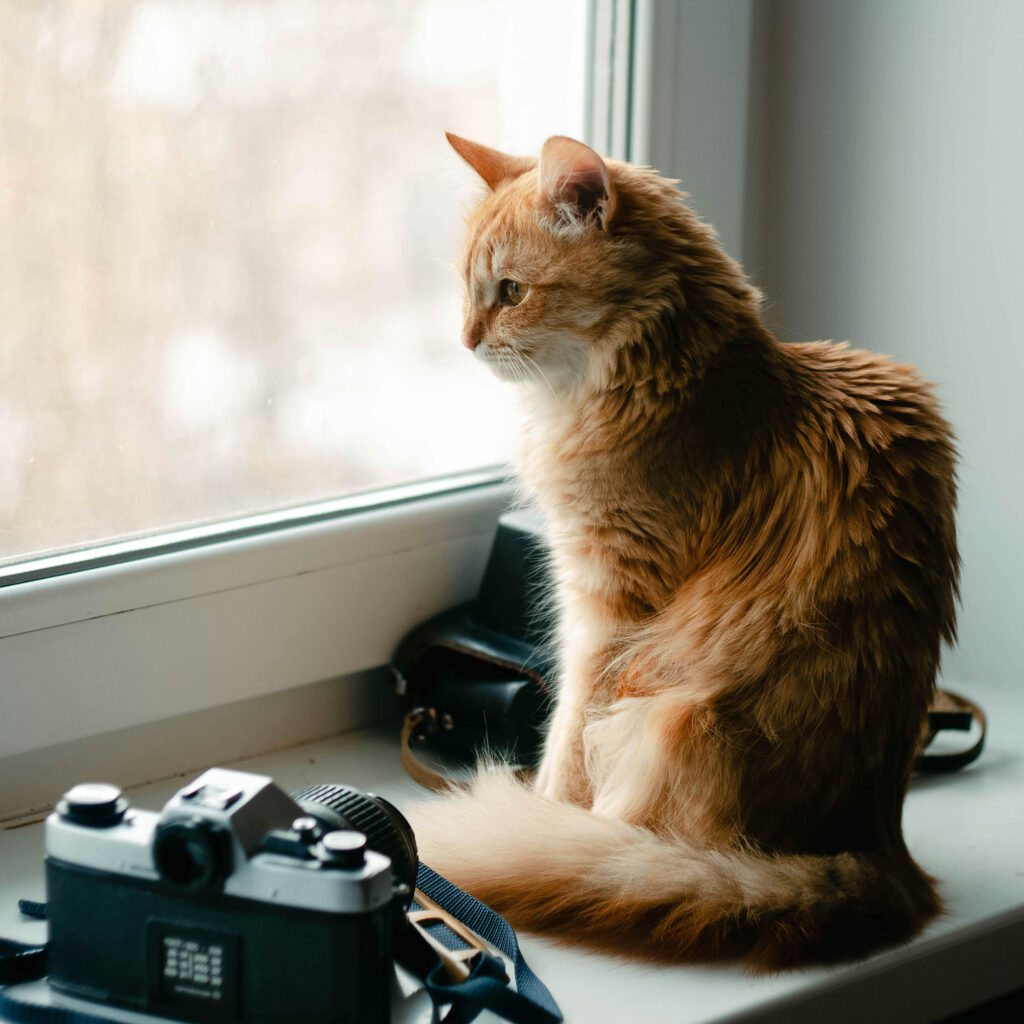
Human perception plays a powerful role in how we interpret animal behavior, and this is especially true when it comes to orange cats. Once a behavioral stereotype exists, people tend to notice, remember, and share experiences that confirm it, while overlooking moments that don’t fit the narrative. This phenomenon—known as confirmation bias—helps explain why so many cat owners are convinced that orange cats behave differently, even in the absence of scientific proof.
When an orange cat does something playful, clumsy, or overly affectionate, the behavior is often labeled as “classic orange cat behavior.” The same action performed by a cat of a different color may go unnoticed or be interpreted as ordinary. Over time, these selective interpretations strengthen the belief that orange cats are uniquely expressive, even though the behaviors themselves are common across many cats.
The Role of Social Media and Shared Stories
Social media has significantly amplified this effect. Articles and community discussions, show how repeated storytelling reinforces stereotypes by framing certain behaviors as defining traits. Platforms like TikTok, Reddit, Facebook, and Instagram reward entertaining, exaggerated content, which means the most dramatic or humorous orange cat moments are more likely to be shared, liked, and remembered.
As these posts circulate, they create a feedback loop:
- A stereotype is introduced or reinforced
- Owners recognize similar behaviors in their own cats
- Those behaviors are shared online under the same label
- The stereotype feels increasingly validated
This repetition makes the concept of orange cat behavior feel universal, even though it’s built largely on anecdotal evidence rather than controlled observation.
Why Owners Perceive Orange Cats as Different
Several psychological factors contribute to why orange cats stand out in people’s minds. Their bright coloring makes them more visually noticeable, which can cause their actions to feel more prominent or dramatic. Additionally, because orange cats are more likely to be male—and male cats often display bolder, more social behaviors—those traits can be misattributed to coat color rather than biological or environmental influences.
In reality, many of the behaviors associated with orange cats—such as vocalization, playfulness, or food motivation—are common feline traits shaped by upbringing, enrichment, and individual temperament. The difference lies not in the behavior itself, but in how humans interpret and categorize it. When expectation, visibility, and shared cultural narratives combine, ordinary behaviors begin to feel extraordinary.
Understanding the gap between perception and reality helps explain why orange cat behavior is such a compelling idea—and why it persists—while reinforcing the importance of looking beyond color to understand what truly shapes a cat’s personality.
Behavior Factors That Do Matter
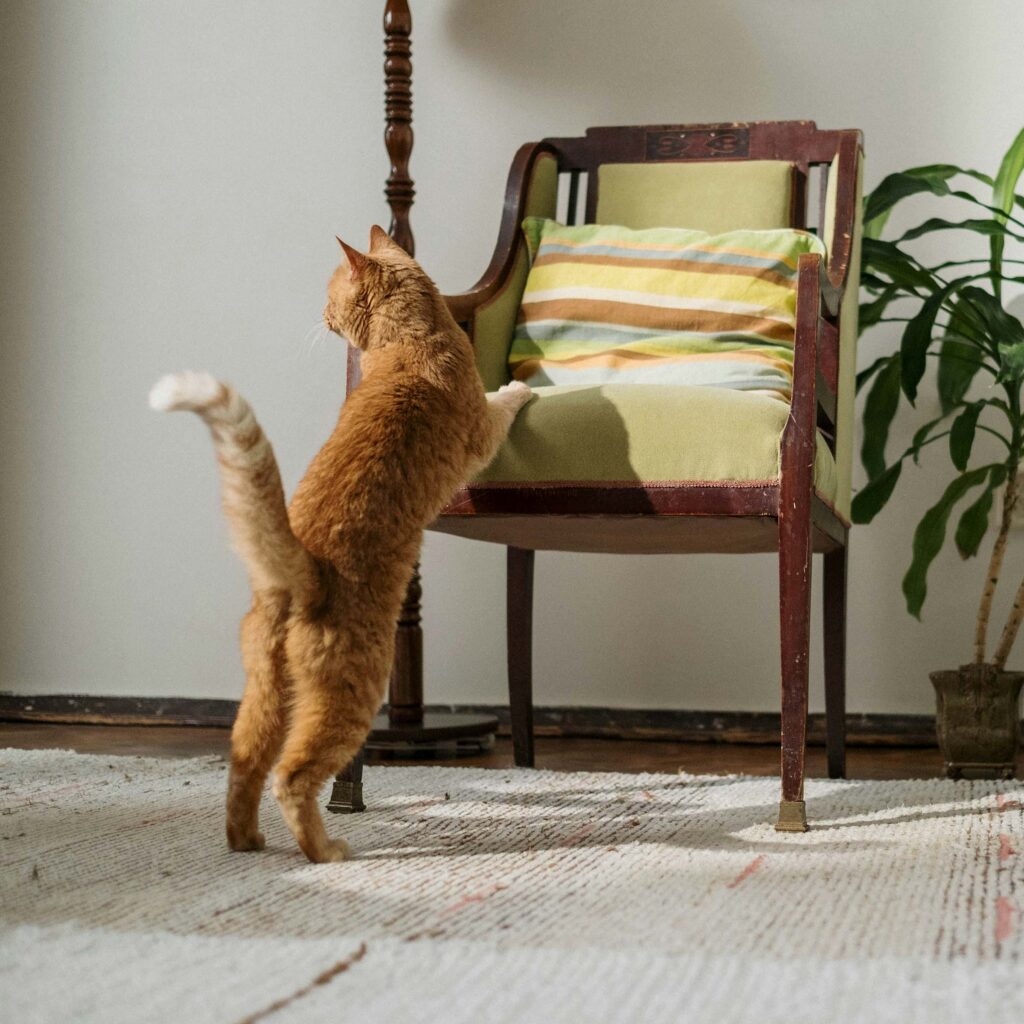
While coat color captures attention, a cat’s behavior is shaped by a far more complex and meaningful set of influences. Research and behavioral science consistently show that breed background, environment, early life experiences, and individual temperament play a far greater role in determining how a cat behaves than color alone. Understanding these factors helps explain why orange cats can seem similar, while still remaining individuals with unique personalities.
Breed Influence
Certain cat breeds are known for predictable behavioral tendencies, and orange coloring appears more frequently in some breeds than others. For example, breeds such as Maine Coons, British Shorthairs, and domestic tabbies—where orange coats are common—are often described as social, confident, and people-oriented. When these breed traits overlap with coat color, it can create the impression that orange cats share a specific personality, even though the behavior is more accurately linked to genetic lineage rather than pigmentation.
In mixed-breed cats, which make up a large portion of the orange cat population, inherited traits from multiple ancestors can influence energy levels, sociability, and play style. These genetic factors operate independently of coat color but can easily be misattributed to it.
Environment and Enrichment
A cat’s daily environment has a powerful impact on behavior. Cats raised in stimulating spaces—with opportunities to climb, explore, observe, and play—are more likely to display confident, expressive behaviors. Without adequate enrichment, the same natural instincts can surface as restlessness, vocalization, or destructive habits.
Because many orange cats are described as curious or energetic, their behavior often reflects how well their environment supports those instincts. Access to vertical spaces, interactive play, mental challenges, and safe exploration outlets helps regulate energy and reduces boredom-driven behaviors—regardless of coat color.
Early Socialization
One of the most influential periods in a cat’s behavioral development occurs early in life. Kittens that experience positive handling, gentle human interaction, and exposure to different environments during their socialization window (roughly 2–7 weeks of age) tend to grow into adults who are more confident, affectionate, and adaptable.
Cats that miss this window or experience stress during early development may be more cautious, reactive, or reserved later in life. When orange cats raised in supportive environments grow into outgoing adults, those traits may be credited to color rather than the quality of early experiences that shaped them.
Individual Personality Matters Most
Above all, every cat is an individual. Just like people, cats vary widely in temperament, energy level, communication style, and social preferences. Two orange cats raised in the same home can behave very differently, while cats of different colors may display remarkably similar traits.
Personality is shaped by a combination of genetics, experience, and ongoing interaction with the environment, not by coat color alone. Recognizing this helps shift the focus away from stereotypes and toward understanding each cat as a unique individual with specific needs, preferences, and behavioral patterns.
By focusing on the factors that truly influence behavior, it becomes clear that orange cat behavior isn’t caused by color, but by the same biological and environmental forces that shape all cats.
Common Behaviors Often Attributed to Orange Cats
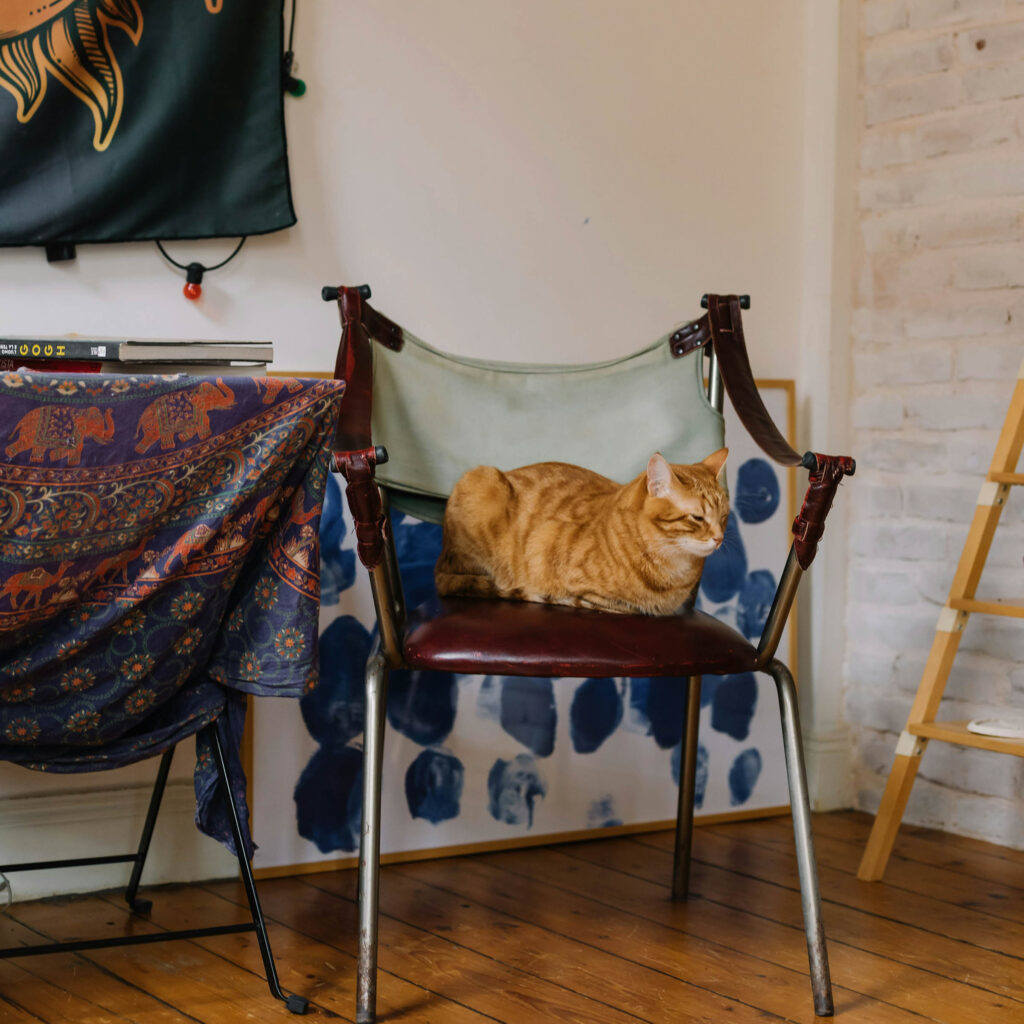
When people talk about orange cat behavior, they’re usually referring to a familiar set of actions and tendencies that seem to appear frequently in anecdotal accounts. These behaviors are not exclusive to orange cats, nor are they present in every ginger cat. Instead, they represent commonly observed patterns that owners associate with orange cats after noticing similar traits across multiple individuals.
Because these behaviors are highly visible and often entertaining, they tend to stand out more in memory and storytelling. Below are some of the most frequently mentioned behaviors linked to orange cats, presented as observations rather than universal traits.
Social Behavior
Orange cats are often described as highly social and people-oriented. Many owners report that their orange cats actively seek human interaction, choosing to stay close to their people rather than remaining independent or aloof. This social behavior can include following owners from room to room, greeting them at the door, or preferring to rest nearby rather than alone.
While sociability varies widely among cats of all colors, confident or well-socialized cats—especially males—are more likely to display these behaviors. When such traits appear repeatedly in orange cats, they can become associated with the coat color itself, even though social behavior is more strongly linked to upbringing, temperament, and environment.
Playfulness and Energy
Another commonly noted pattern is high playfulness and bursts of energy. Orange cats are frequently portrayed as engaging in sudden zoomies, enthusiastic play sessions, or impulsive exploration of their surroundings. Owners often describe them as curious, bold, and quick to investigate anything new or interesting in their environment.
These behaviors reflect natural feline instincts such as hunting, climbing, and exploration. Cats with confident personalities or access to stimulating environments may express these instincts more visibly, which can make their behavior appear more dramatic or chaotic, especially when paired with the striking appearance of an orange coat.
Vocalization
Increased vocalization is another behavior often attributed to orange cats. Many owners describe their cats as “talkative,” using a range of sounds such as meows, chirps, trills, or drawn-out calls to communicate with their humans. This vocal behavior is often interpreted as sociability or a desire for interaction.
Vocalization tends to increase in cats that feel comfortable expressing themselves and have learned that communication results in attention, food, or engagement. When these traits are seen in orange cats, they may reinforce the idea that orange cats are more expressive, even though vocal tendencies vary widely across individual cats regardless of color.
Food Motivation
Strong interest in food is another frequently mentioned characteristic. Orange cats are often described as highly food-motivated, showing excitement around mealtimes, treats, or food-related routines. Behaviors such as waiting by the food bowl, vocalizing when food is prepared, or closely monitoring human meals are commonly reported.
Food motivation can stem from many factors, including personality, prior experiences with food availability, boredom, or learned behavior. Cats that are motivated by food are also often more responsive to training and routine. When these behaviors appear consistently in orange cats, they become part of the broader narrative surrounding orange cat behavior, even though they are common across many cats.
Taken together, these behaviors help explain why orange cats are so often described as expressive, engaging, and memorable companions. However, recognizing them as patterns shaped by biology, experience, and environment—not coat color alone—allows for a more accurate and balanced understanding of what orange cat behavior really represents.
Common Orange Cat Behavior Questions
Orange cats do not inherently behave differently because of their coat color. While many owners observe patterns such as increased sociability or playfulness, scientific evidence shows that behavior is shaped by genetics, sex, environment, and early socialization—not color alone.
Orange cats are often described as friendly, but friendliness is not caused by coat color. Because most orange cats are male—and male cats are frequently more social and people-oriented—these traits may appear more common among orange cats without being directly linked to their coloring.
“Orange cat behavior” is a real cultural concept, but not a scientific classification. The term reflects shared observations and social narratives rather than proven behavioral differences caused by coat color. The behaviors associated with it are common feline traits influenced by personality and environment.
There is no scientific evidence that coat color directly affects a cat’s temperament. Coat color genes influence pigmentation, while temperament is shaped by factors such as genetics unrelated to color, early experiences, enrichment, and individual personality.
Most orange cats are male because the gene responsible for orange coloring is located on the X chromosome. Male cats need only one copy of the gene to be orange, while female cats need two, making orange females less common.
Supporting Individual Cat Behavior Through Enrichment

Understanding that feline behavior is shaped by environment and experience—not coat color—shifts the focus toward how cats are supported in their daily lives. Cats who display traits such as curiosity, playfulness, or a strong interest in observing their surroundings benefit from consistent enrichment that allows those instincts to be expressed in healthy ways.
For some cats, indoor enrichment like interactive play, climbing spaces, and puzzle toys may meet those needs. Others respond especially well to safe outdoor enrichment, which adds sensory variety and opportunities for exploration. Catios provide a controlled way for cats to experience outdoor sights, sounds, and sunlight without the risks associated with free roaming. Rather than addressing stereotypes, catios support individual behavior patterns, making them a practical option for cats of any color whose personalities thrive on stimulation.
Clear Takeaway
The idea of orange cat behavior is compelling because it reflects patterns many people genuinely observe and enjoy, but science shows those patterns are not caused by coat color itself. While orange cats are often described as social, playful, vocal, or food-motivated, these behaviors are better explained by a combination of genetics, sex distribution, early socialization, environment, and individual personality, rather than pigmentation alone.
Every cat is unique. Two orange cats can behave entirely differently, just as cats of different colors can share remarkably similar traits. Coat color may influence how noticeable or memorable a cat’s behavior feels to humans, but it does not reliably predict temperament or personality. When we look beyond stereotypes and focus on the factors that truly shape behavior, we gain a more accurate—and more compassionate—understanding of our cats as individuals.
Recognizing this distinction allows cat owners to move past myths and better support their cats’ real needs. Whether a cat is orange or any other color, their behavior is shaped by who they are, how they were raised, and the environment they live in, not by the color of their fur.
Understanding your cat’s individual behavior is the first step; supporting it through thoughtful enrichment is the next. For cats who enjoy observing, exploring, and engaging with the world around them, a custom catio can provide safe outdoor stimulation that complements their personality and environment. If you’re ready to create an enrichment space designed around your cat’s needs and your home’s layout, get started with a custom catio from Cat Topia today.
My orange tabby…named benjamen fits everything yu say to a capital T. HE is big…19 pounds. He is smart tho. Lovey funny curious clingy..stays by my husband constantly.. sad when he leaves gets very vocal…loves to be brushed. He loves loves to eat. Loves cat nip..real tuna. Real chicken breast and fresh cod fish. He’s dog like pesters my other non orange cats.